For those who came of age in the early 2000s, Swing was more than just late-night cable filler; it was a cultural phenomenon that pushed the boundaries of reality television. Officially known as , this Playboy TV original series offered a voyeuristic, unscripted look into the lives of real couples experimenting with swinging and open relationships.
Moreover, the podcast boom of the 2020s has revived interest. Podcasts like We Gotta Thing (a swinger couple’s podcast) frequently cite Swing as their introduction to the lifestyle. One host noted: "We watched the Playboy TV series in our hotel room during our 10th anniversary. We looked at each other and said, 'Is this allowed?' That moment changed our marriage." swing playboy tv series
Unlike scripted adult films, Swing claimed authenticity. Each episode followed a couple—usually a married or long-term pair in their 30s or 40s—who had decided to enter the swinging lifestyle. The show didn't just show the physical act; it spent the first half of the episode documenting the couple’s emotional state, their rules, and their anxieties. The second half took place at a swingers’ club or a private mansion party. For those who came of age in the
Whether you view it as soft-core nostalgia or a legitimate relationship study, Swing broke ground. It dared to ask the question that most reality shows ignored: What if jealousy isn't a sign of love, but an obstacle to overcome? Podcasts like We Gotta Thing (a swinger couple’s
Hugh Hefner’s Playboy TV, then known as "The Playboy Channel," had historically aired soft-core narrative films ( Playboy’s Dark Justice ) and magazine-style clips. However, the executives realized that scripted porn was losing ground to the raw, unpredictable nature of reality television.
When modern audiences think of the Playboy brand, they often picture the glossy magazine, the iconic bunny ears, or the reality show The Girls Next Door . However, deep within the vaults of adult-oriented television history lies a forgotten gem: the "Swing" Playboy TV series .
But what made this specific Playboy TV series stand out from the countless adult programs of its era? Why does it maintain a cult following nearly two decades later? This article dives deep into the production, the controversy, the psychology, and the lasting legacy of Swing . By 2005, the reality TV boom was in full swing (pun intended). The Real World had evolved, Survivor dominated prime time, and networks were desperate for the next shocking subgenre: "Sexploitation Reality."
For those who came of age in the early 2000s, Swing was more than just late-night cable filler; it was a cultural phenomenon that pushed the boundaries of reality television. Officially known as , this Playboy TV original series offered a voyeuristic, unscripted look into the lives of real couples experimenting with swinging and open relationships.
Moreover, the podcast boom of the 2020s has revived interest. Podcasts like We Gotta Thing (a swinger couple’s podcast) frequently cite Swing as their introduction to the lifestyle. One host noted: "We watched the Playboy TV series in our hotel room during our 10th anniversary. We looked at each other and said, 'Is this allowed?' That moment changed our marriage."
Unlike scripted adult films, Swing claimed authenticity. Each episode followed a couple—usually a married or long-term pair in their 30s or 40s—who had decided to enter the swinging lifestyle. The show didn't just show the physical act; it spent the first half of the episode documenting the couple’s emotional state, their rules, and their anxieties. The second half took place at a swingers’ club or a private mansion party.
Whether you view it as soft-core nostalgia or a legitimate relationship study, Swing broke ground. It dared to ask the question that most reality shows ignored: What if jealousy isn't a sign of love, but an obstacle to overcome?
Hugh Hefner’s Playboy TV, then known as "The Playboy Channel," had historically aired soft-core narrative films ( Playboy’s Dark Justice ) and magazine-style clips. However, the executives realized that scripted porn was losing ground to the raw, unpredictable nature of reality television.
When modern audiences think of the Playboy brand, they often picture the glossy magazine, the iconic bunny ears, or the reality show The Girls Next Door . However, deep within the vaults of adult-oriented television history lies a forgotten gem: the "Swing" Playboy TV series .
But what made this specific Playboy TV series stand out from the countless adult programs of its era? Why does it maintain a cult following nearly two decades later? This article dives deep into the production, the controversy, the psychology, and the lasting legacy of Swing . By 2005, the reality TV boom was in full swing (pun intended). The Real World had evolved, Survivor dominated prime time, and networks were desperate for the next shocking subgenre: "Sexploitation Reality."
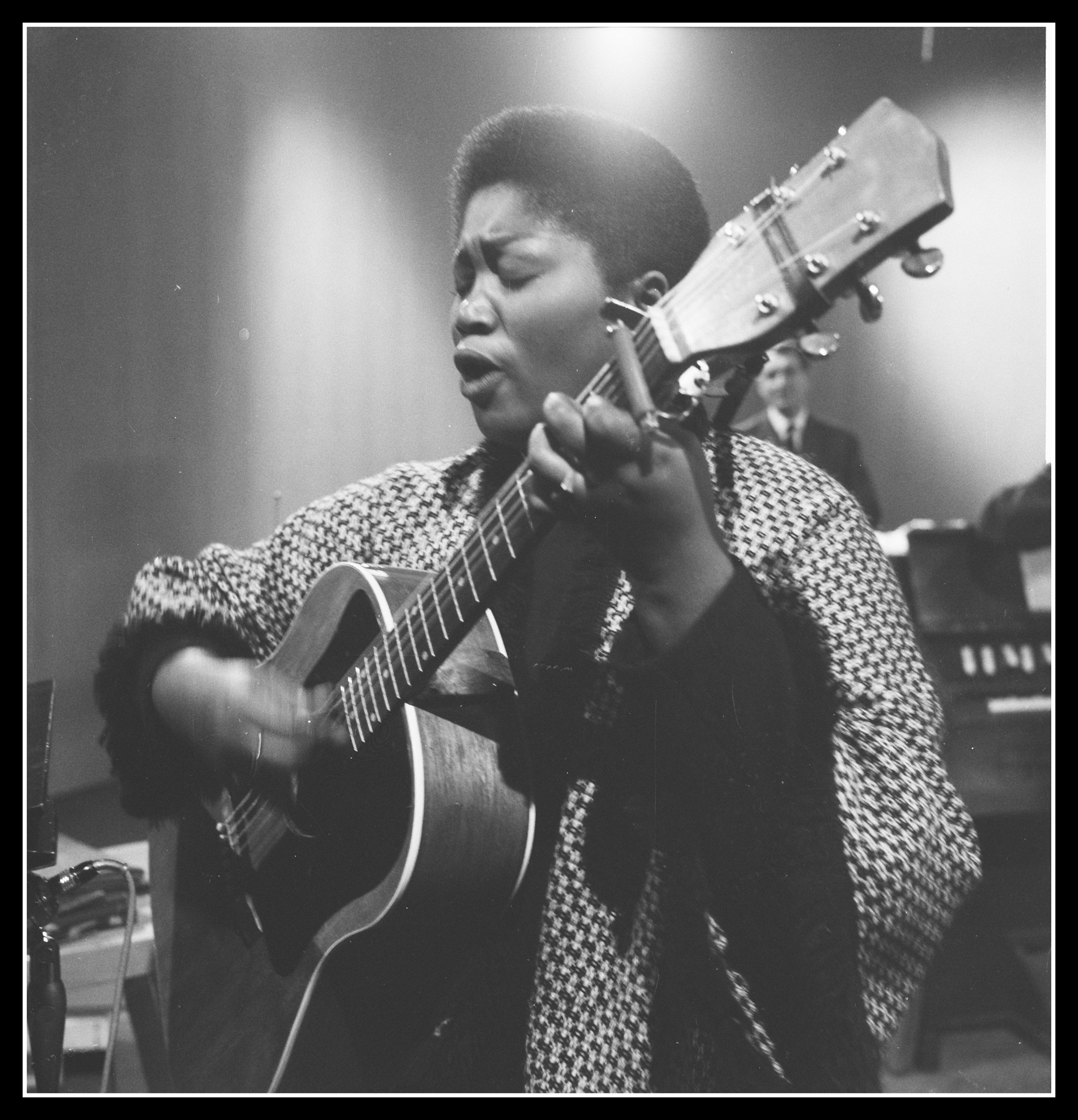
Odetta was one of the defining voices of American folk music. Though she had been trained in classical music, she was drawn to spirituals, work songs, traditional ballads, and blues. These songs told the stories of true life – of struggle and of those who overcame oppression. Odetta used her theater training and deep resonant voice to bring these messages to life. Her work inspired later artists like Bob Dylan and Joan Baez, served as a soundtrack for the social reforms of the 1960s, and led to her honorary title as “The Voice of the Civil Rights Movement” and “The Queen of Folk Music.
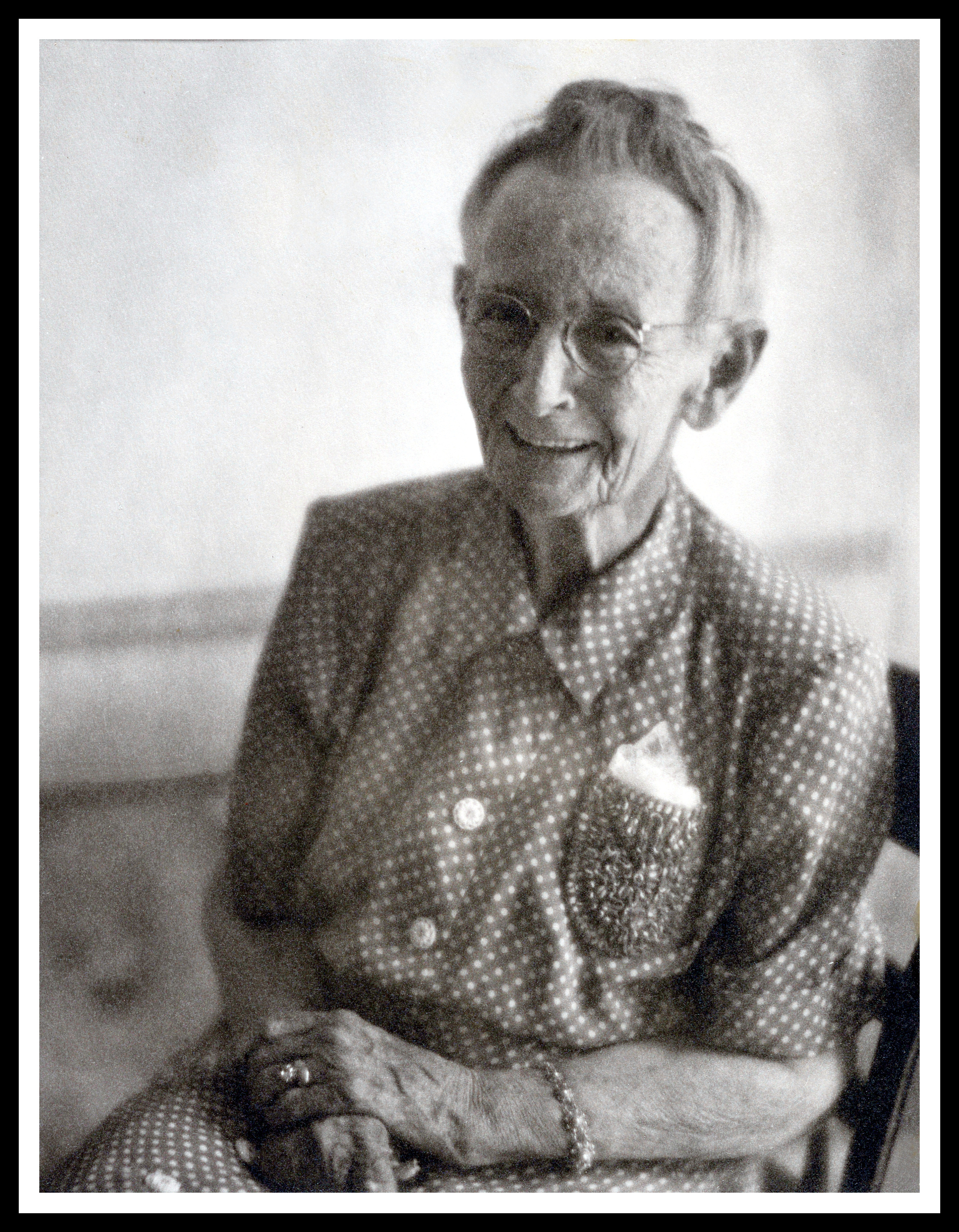
Anna Mary Moses spent the last twenty years of her life as a beloved and celebrated artist after a hobby became an occupation in the most astonishing way.
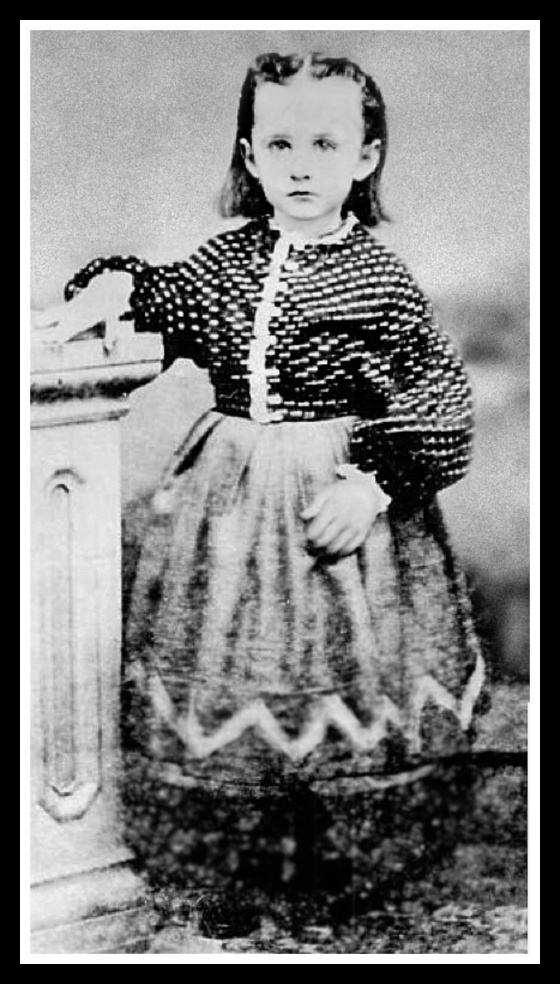
Anna Mary Moses was born when Abraham Lincoln was president and died when John Kennedy was; she lived through one Civil, and two World wars, and was one of the first women in the US to legally vote. Because her life was so full, she didn’t take up painting as her primary hobby until she was in her 70s, and was on a rocketship of world fame as a celebrated artist until she was in her 80s.