






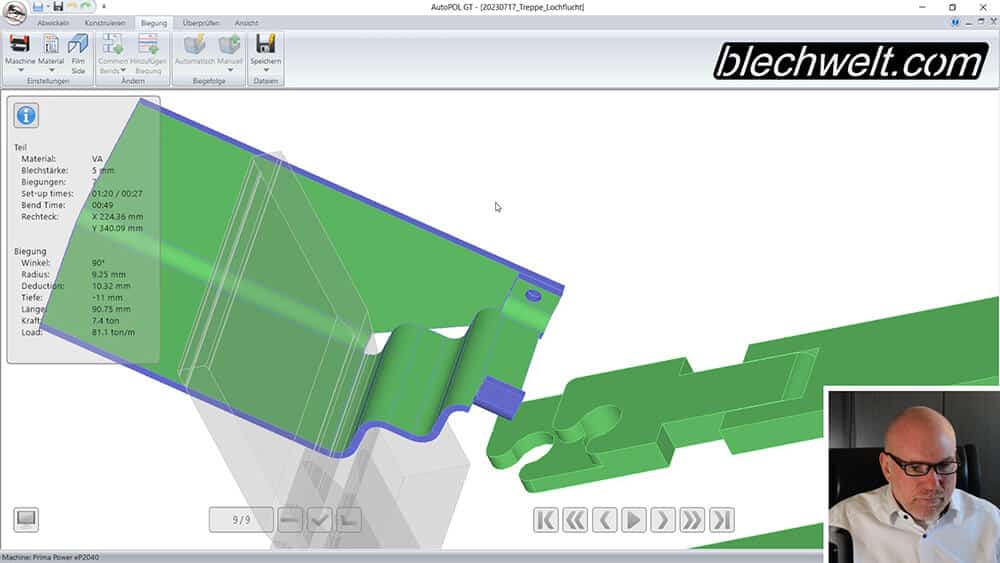
 Biegesimulation | Individuelle Abzugswerte in Excel berechnen

Will we reach a point where a "Fake Gallery" is more ethical than a real one? If no garment is produced, is it still a crime? The fashion law community is currently debating this.
Website called StyleGallery4U.com . The homepage features a slider: "Copy Designer Lehengas – Starting at $99." They click "Roja Style." The gallery shows 50 images. The stitching on the mannequin looks tight.
What is clear is that the —for the rose (Roja)—is real. Whether you find that rose in a Parisian couture house or a back-alley replica gallery, the thirst for style is unquenchable.
You do not need a "fake gallery" to be fashionable. You need one authentic silk scarf, a tailor who knows your measurements, and the confidence to wear last year’s color like it is the only color in the world.
In the vast, glittering ecosystem of online fashion, certain search terms emerge that stop us in our tracks. One such cryptic yet compelling keyword is "Roja Fake Gallery Fashion and Style Gallery."
At first glance, this phrase feels like a paradox. "Roja" evokes a sense of exotic romance (perhaps a misspelling of the Indian film Roja , the Persian name for rose, or a luxury perfume house). "Fake Gallery" suggests a display of counterfeits. And "Fashion and Style Gallery" implies a curated collection of trends.
So, what exactly is the "Roja Fake Gallery"? Is it a shadow market for dupes? A critique of fast fashion? Or a genuine style hub that has been unfairly branded?
After ordering, the customer receives a polyester nightmare. The "zardozi" is plastic metallic thread glued to net fabric. The color is neon orange, not maroon. The "fake gallery" has done its job: it looked real in photos, but the physical product is a ghost.
Will we reach a point where a "Fake Gallery" is more ethical than a real one? If no garment is produced, is it still a crime? The fashion law community is currently debating this.
Website called StyleGallery4U.com . The homepage features a slider: "Copy Designer Lehengas – Starting at $99." They click "Roja Style." The gallery shows 50 images. The stitching on the mannequin looks tight.
What is clear is that the —for the rose (Roja)—is real. Whether you find that rose in a Parisian couture house or a back-alley replica gallery, the thirst for style is unquenchable.
You do not need a "fake gallery" to be fashionable. You need one authentic silk scarf, a tailor who knows your measurements, and the confidence to wear last year’s color like it is the only color in the world.
In the vast, glittering ecosystem of online fashion, certain search terms emerge that stop us in our tracks. One such cryptic yet compelling keyword is "Roja Fake Gallery Fashion and Style Gallery."
At first glance, this phrase feels like a paradox. "Roja" evokes a sense of exotic romance (perhaps a misspelling of the Indian film Roja , the Persian name for rose, or a luxury perfume house). "Fake Gallery" suggests a display of counterfeits. And "Fashion and Style Gallery" implies a curated collection of trends.
So, what exactly is the "Roja Fake Gallery"? Is it a shadow market for dupes? A critique of fast fashion? Or a genuine style hub that has been unfairly branded?
After ordering, the customer receives a polyester nightmare. The "zardozi" is plastic metallic thread glued to net fabric. The color is neon orange, not maroon. The "fake gallery" has done its job: it looked real in photos, but the physical product is a ghost.
Software von BLECHWELT in Aktion erleben!
Jetzt Online-Demo vereinbaren ...
HerzRobotics GmbH
Technik & Marketing
Sebastianstraße 38
53115 Bonn
Deutschland roja nude fake gallery zip
 70629 Stuttgart, Deutschland