Gensei | Kenki Sacred Arch
Together, the is believed to be a legendary construct—a mystical archway said to be forged from the remnants of a fallen star and blessed by a demonic sword saint. According to primary sources from niche fantasy archives, the Arch does not function as a simple door. Instead, it acts as a "resonance amplifier" for spiritual energy, specifically attuned to sword techniques known as Zankyu no Kaisei (The Echoing Refinement). The Origin Myth: The Duel at the Edge of the World The most popularized legend surrounding the Gensei Kenki Sacred Arch dates back to the "Era of Shifting Ash" (circa mythical 1123). According to the scrolls recovered from the Sunken Monastery, two sword saints—Kenshiro Urameshi (the "Gensei Kenki" himself) and his rival, the Oni Knight Baramos—fought a duel that lasted for three solar eclipses.
This article dives deep into the origins, metaphysical properties, and cultural impact of the Gensei Kenki Sacred Arch, providing the most comprehensive guide available on the internet. To understand the Gensei Kenki Sacred Arch , we must first break down its name. "Gensei" (幻星) typically translates to "Illusion Star" or "Phantom Star" in Japanese, hinting at something that exists between reality and fantasy. "Kenki" (剣鬼) means "Sword Demon" or "Sword Spirit," referring to a warrior who has transcended mortal combat. Finally, "Sacred Arch" suggests a portal or a sanctified structure. Gensei Kenki Sacred Arch
As the legend goes, Kenshiro could not defeat his foe with standard steel. In a desperate move, he channeled his life force into a forgotten runic pattern at the peak of Mount Shumisen. The ground split, and a prismatic arch burst forth from the magma. This was the first appearance of the . As Kenshiro stepped through it, he was transformed: his physical body dissolved into starlight, but his sword technique became immortalized in the stone of the Arch itself. Together, the is believed to be a legendary

By clicking, you agree to receive automated texts and calls from PETA and accept our terms and conditions. Message and data rates may apply. U.S. mobile users only. By submitting this form, you’re acknowledging that you have read and agree to our privacy policy and agree to receive e-mails from us.
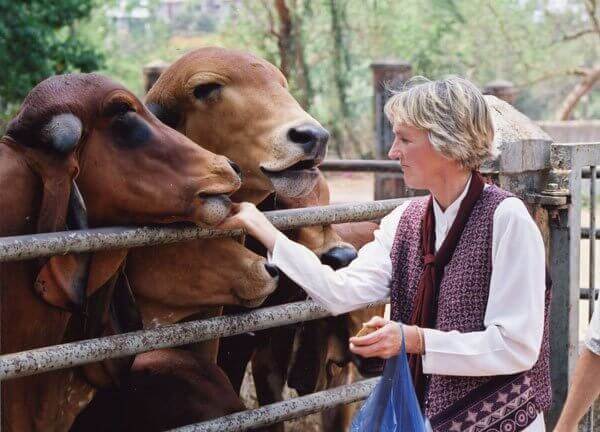
“Almost all of us grew up eating meat, wearing leather, and going to circuses and zoos. We never considered the impact of these actions on the animals involved. For whatever reason, you are now asking the question: Why should animals have rights?”
— Ingrid Newkirk, PETA Founder and co-author of Animalkind