By Gergely Orosz, the author of The Pragmatic Engineer Newsletter and Building Mobile Apps at Scale
Navigating senior, tech lead, staff and principal positions at tech companies and startups. An Amazon #1 Best Seller. New: the hardcover is out! As is the audibook. Now available in 6 languages.
This article aims to provide an insightful look into the world of young adults and their pursuit of an exclusive lifestyle and entertainment, ensuring that the discussion remains informative, engaging, and appropriate.
In crafting content and experiences for this audience, it's essential to understand their values, preferences, and the ways in which they interact with the world around them. By doing so, creators, brands, and entertainers can engage with this demographic in a meaningful way, offering them content that is not only entertaining but also respectful and inspiring.
The concept of an exclusive lifestyle and entertainment for young adults, often abbreviated as ABG (Anak Baru Gede, which translates to "newly grown children" in Indonesian), has been a topic of interest in recent years. This demographic, typically referring to young teenagers and adults in their early twenties, is known for their vibrant energy, curiosity, and desire for exploration and self-expression.
The ABG culture is not just about a specific age group; it's a phenomenon that encompasses a lifestyle, a way of thinking, and a desire for experiences that are unique, exciting, and often, exclusive. This culture is heavily influenced by social media, where platforms like Instagram, TikTok, and YouTube play a significant role in shaping trends, preferences, and aspirations.
The pursuit of an exclusive lifestyle and entertainment among young adults is a multifaceted phenomenon that reflects a desire for uniqueness, self-expression, and memorable experiences. As this demographic continues to grow and evolve, it's likely that the concepts of exclusivity, individuality, and connectivity will remain at the forefront of their interests and aspirations.
Social media platforms have become the primary stage for young adults to share their experiences, express their individuality, and connect with like-minded individuals. Influencers and content creators play a pivotal role in this ecosystem, offering insights into exclusive lifestyles and entertainment, and inspiring their followers with their creativity and adventurous spirit.
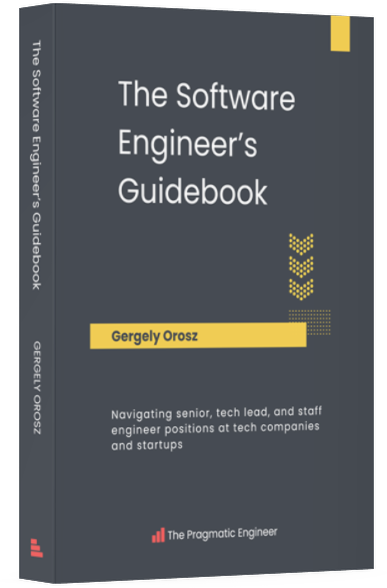
The book is separated into six standalone parts, each part covering several chapters:
Parts 1 and 6 apply to all engineering levels: from entry-level software developers to principal or above engineers. Parts 2, 3, 4 and 5 cover increasingly senior engineering levels. These four parts group topics in chapters – such as ones on software engineering, collaboration, getting things done, and so on.
This book is more of a reference book that you can refer back to, as you grow in your career. I suggest skimming over the career levels and chapters that you are familiar with, and focus reading on topics you struggle with, or career levels where you are aiming to get to. Keep in mind that expectations can vary greatly between companies.
In this book, I’ve aimed to align the topics and leveling definitions closer to what is typical at Big Tech and scaleups: but you might find some of the topics relevant for lower career levels in later chapters. For example, we cover logging, montiroing and oncall in Part 5: “Reliable software systems” in-depth: but it’s useful – and oftentimes necessary! – to know about these practices below the staff engineer levels.
The Software Engineer's Guidebook is available in multiple languages:
You should now be able to ask your local book shops to order the book for you via Ingram Spark Print-on-demand - using the ISBN code 9789083381824. I'm also working on making the paperback more accessible in additional regions, including translated versions. Please share details here if you're unable to get the book in your country and I'll aim to remedy the situation.
I'd like to think so! The book can help you get ideas on how to help software engineers on your team grow. And if you are a hands-on engineering manager (which I hope you might be!) then you can apply the topics yourself! I wrote more about staying hands-on as an engineering manager or lead in The Pragmatic Engineer Newsletter.
I've gotten this variation of a question from Data Engineers, ML Engineers, designers and SREs. See the more detailed table of contents and the "Look inside" sample to get a better idea of the contents of the book. I have written this book with software engineers as the target group, and the bulk of the book applies for them. Part 1 is more generally applicable career advice: but that's still smaller subset of the book.