















Please click here for ticket info
FREE TO PLAY is available now:
Watch on Steam Watch on Youtube Watch on Itunes Watch on Amazon Watch on VHX
Free to Play will be available for free on Steam March 19th, 2014!
The Free to Play Pack will also be available for purchase on Steam and the Dota 2 Store, and 25% of the sales will be distributed to the players featured in the film as well as the contributors. The Free to Play Pack will include the following:
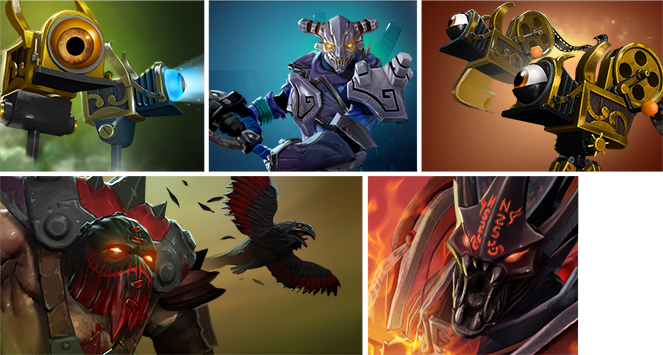
Items will be available on March 19th, 2014 at the Dota 2 Store and Steam

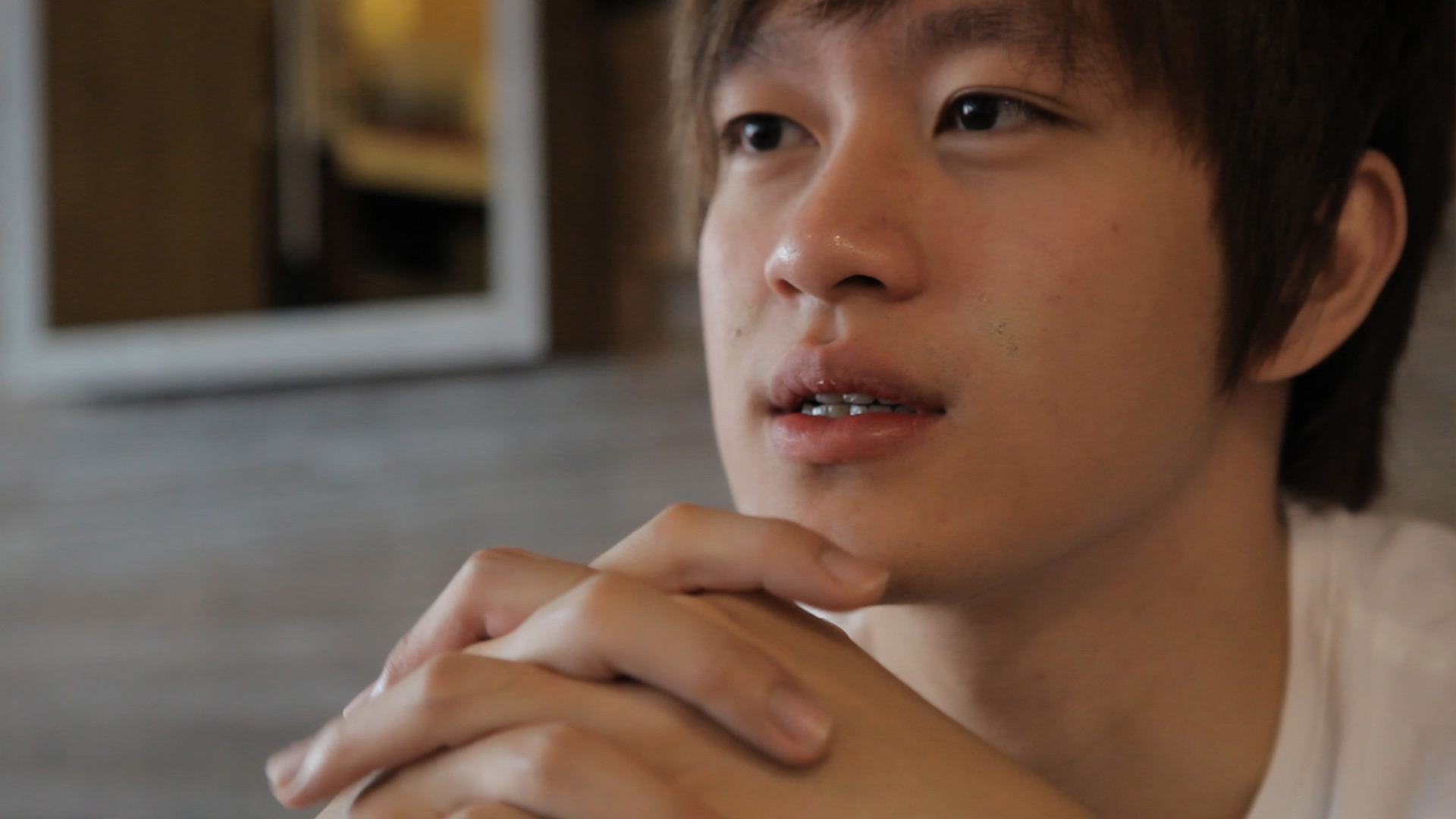
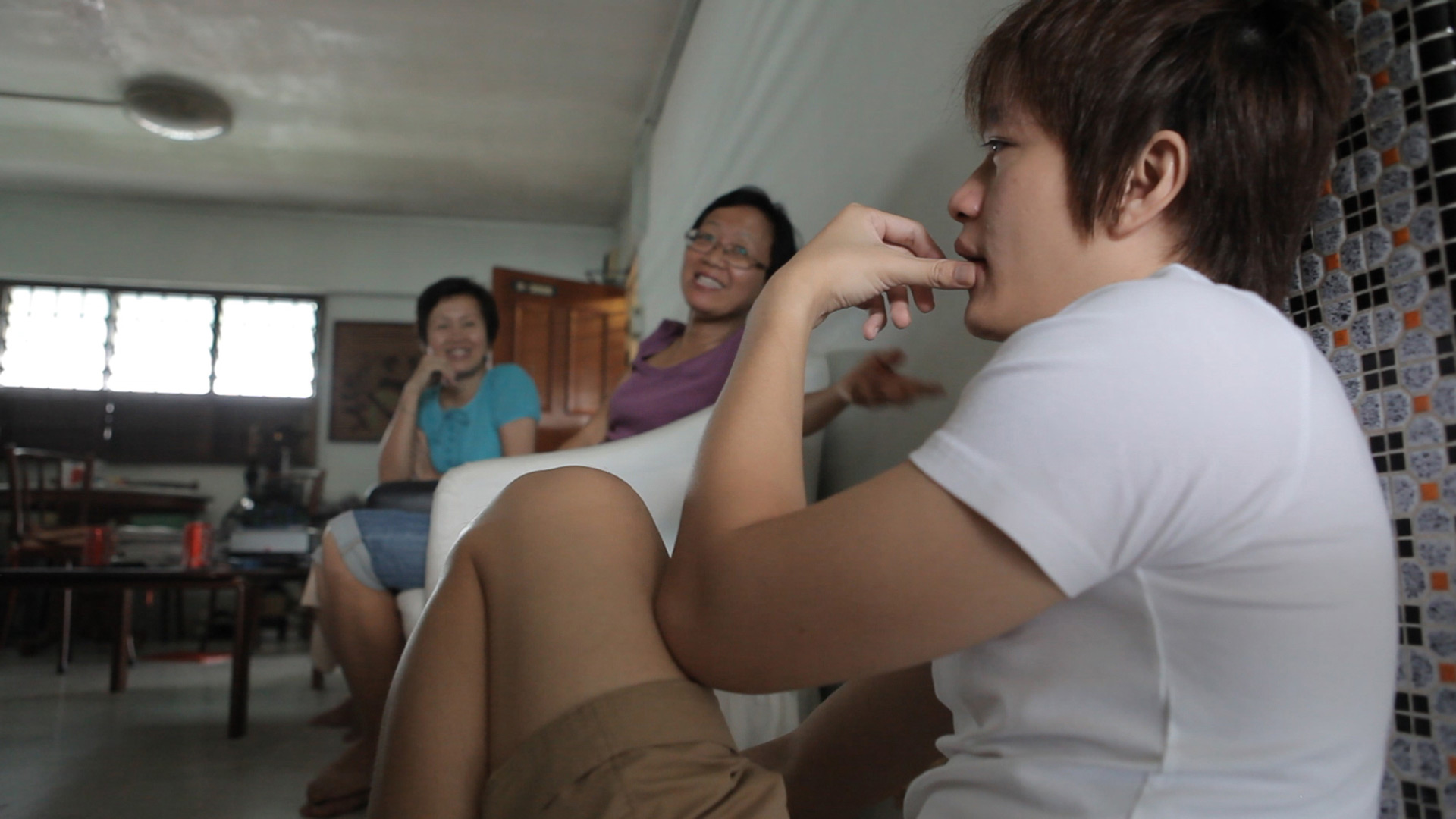
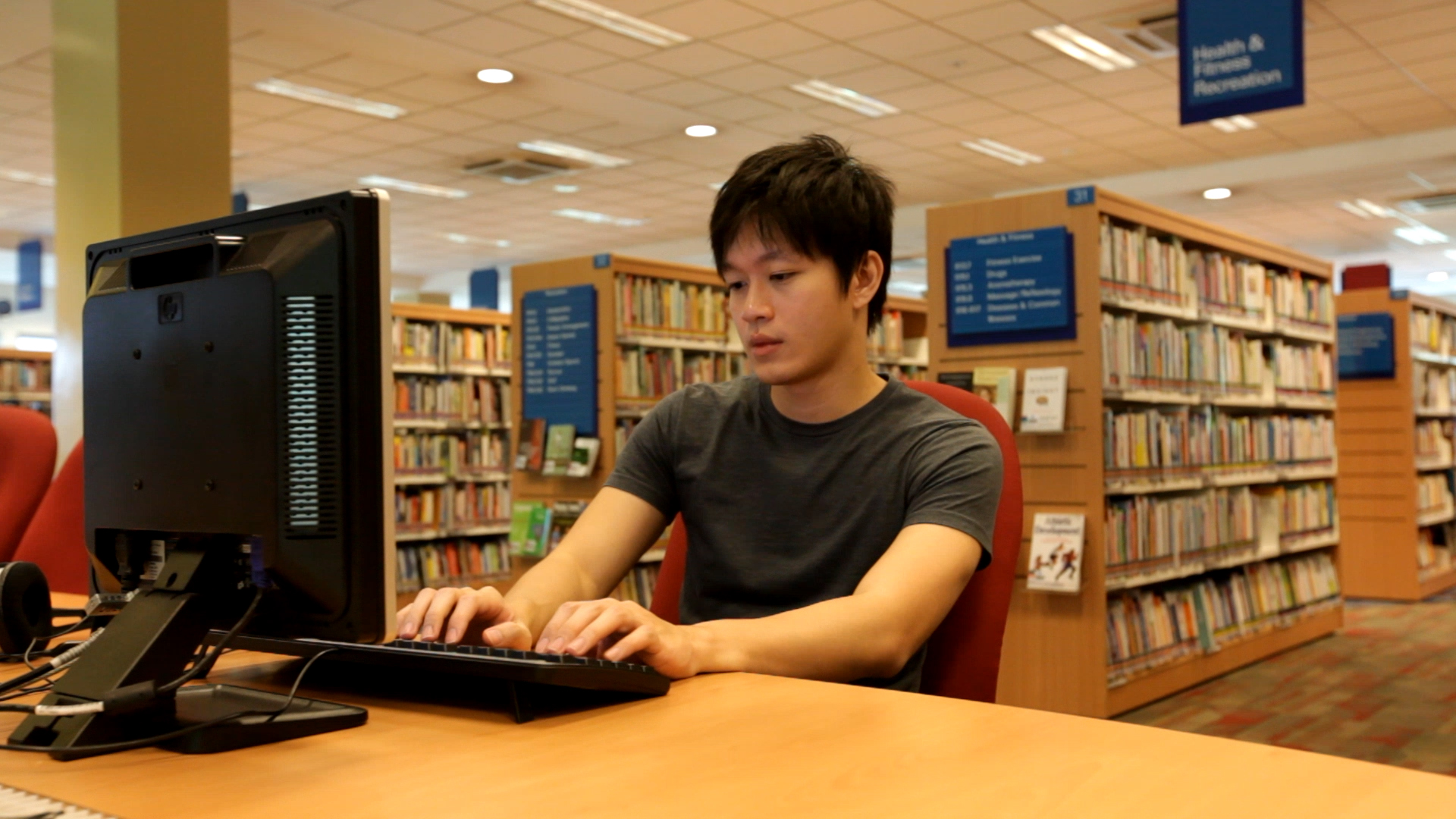
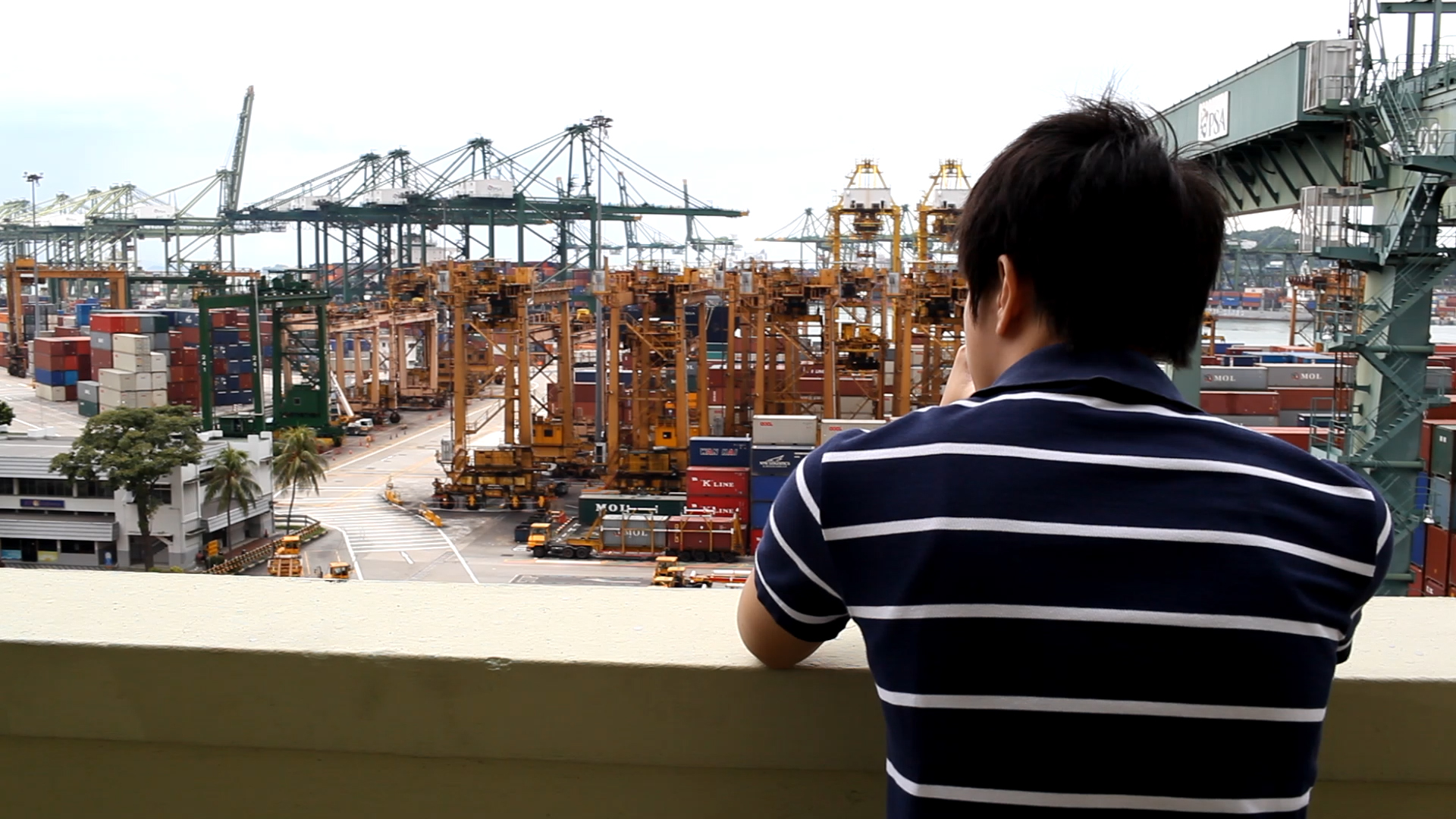
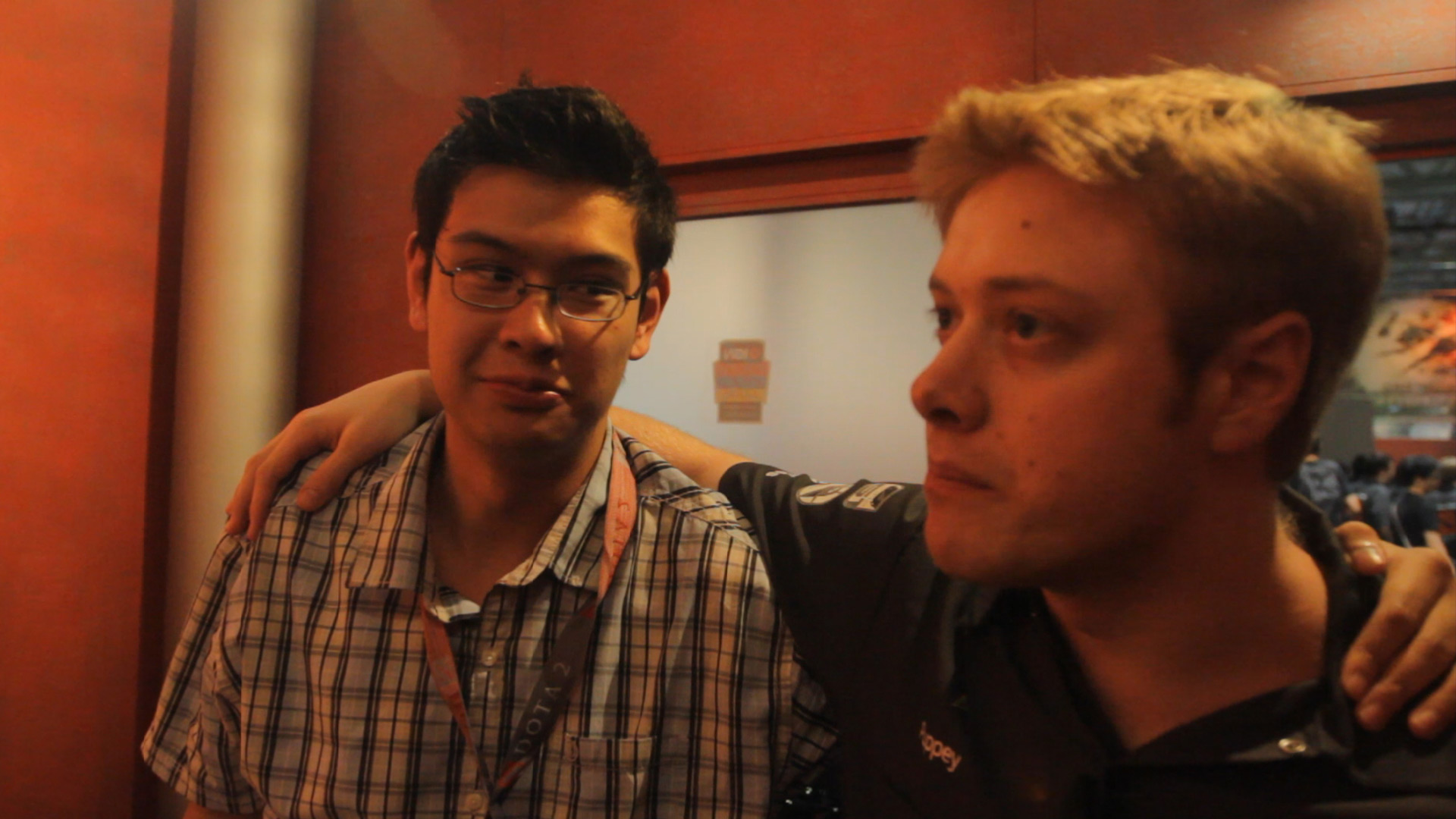
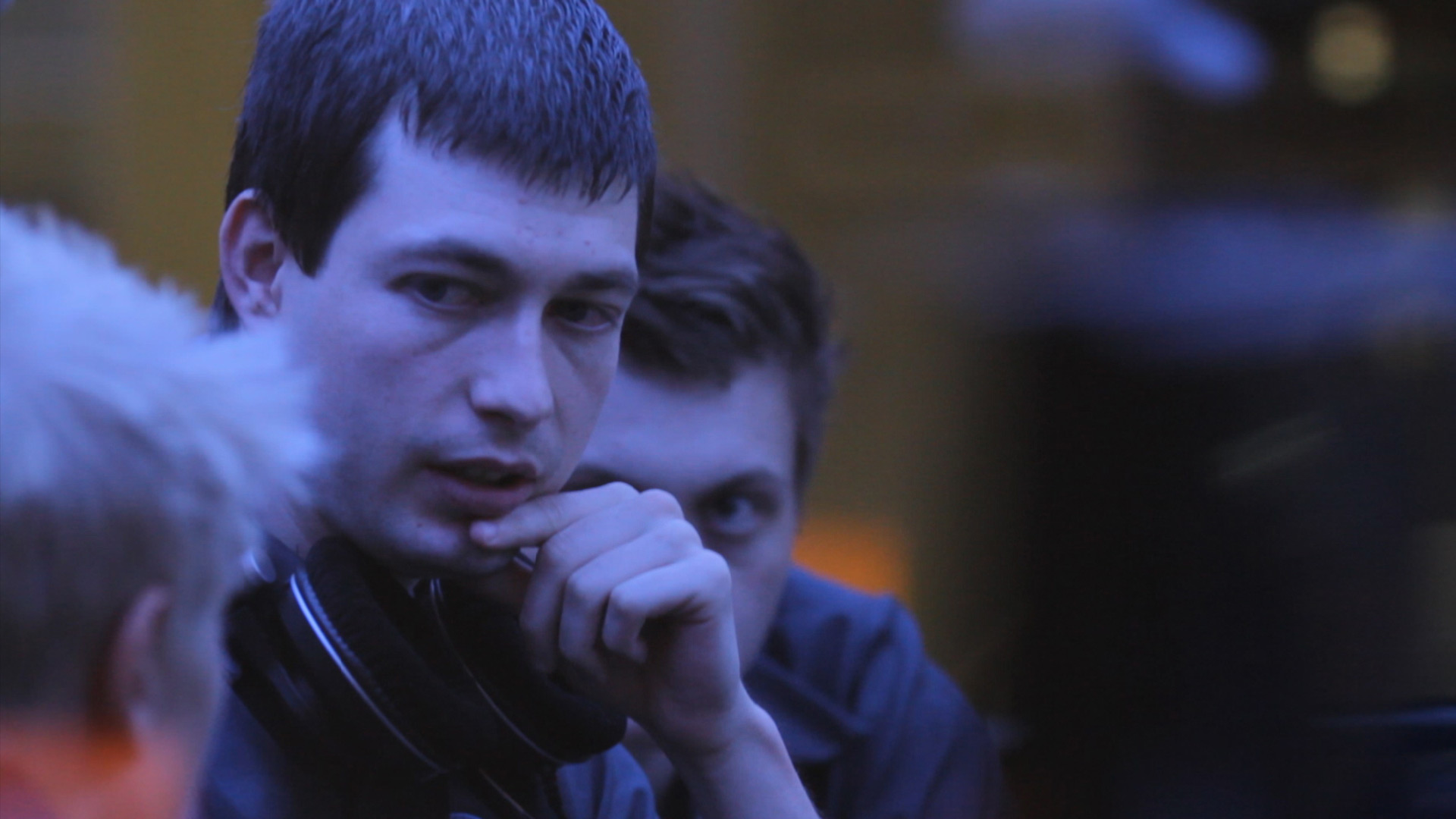
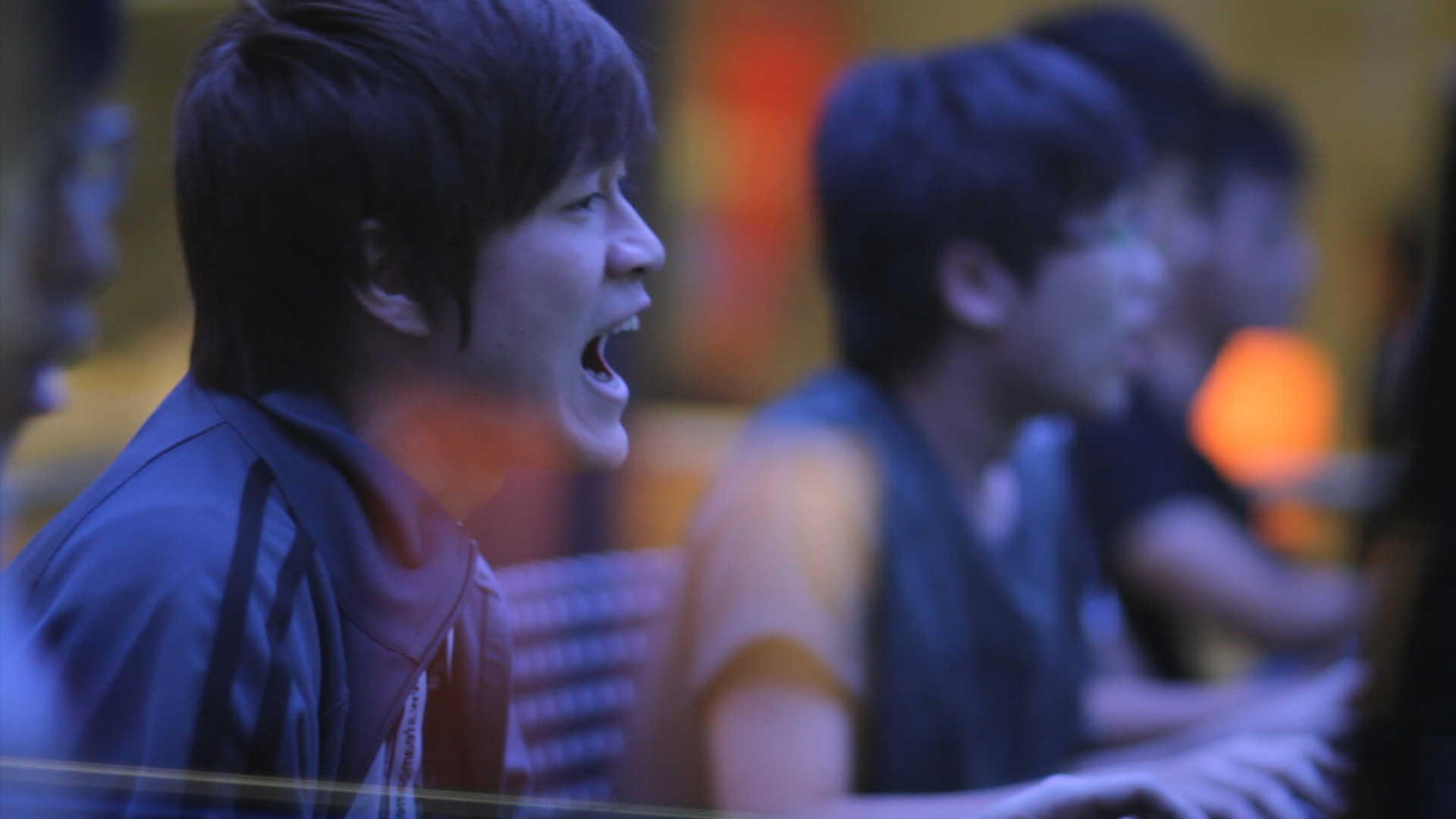
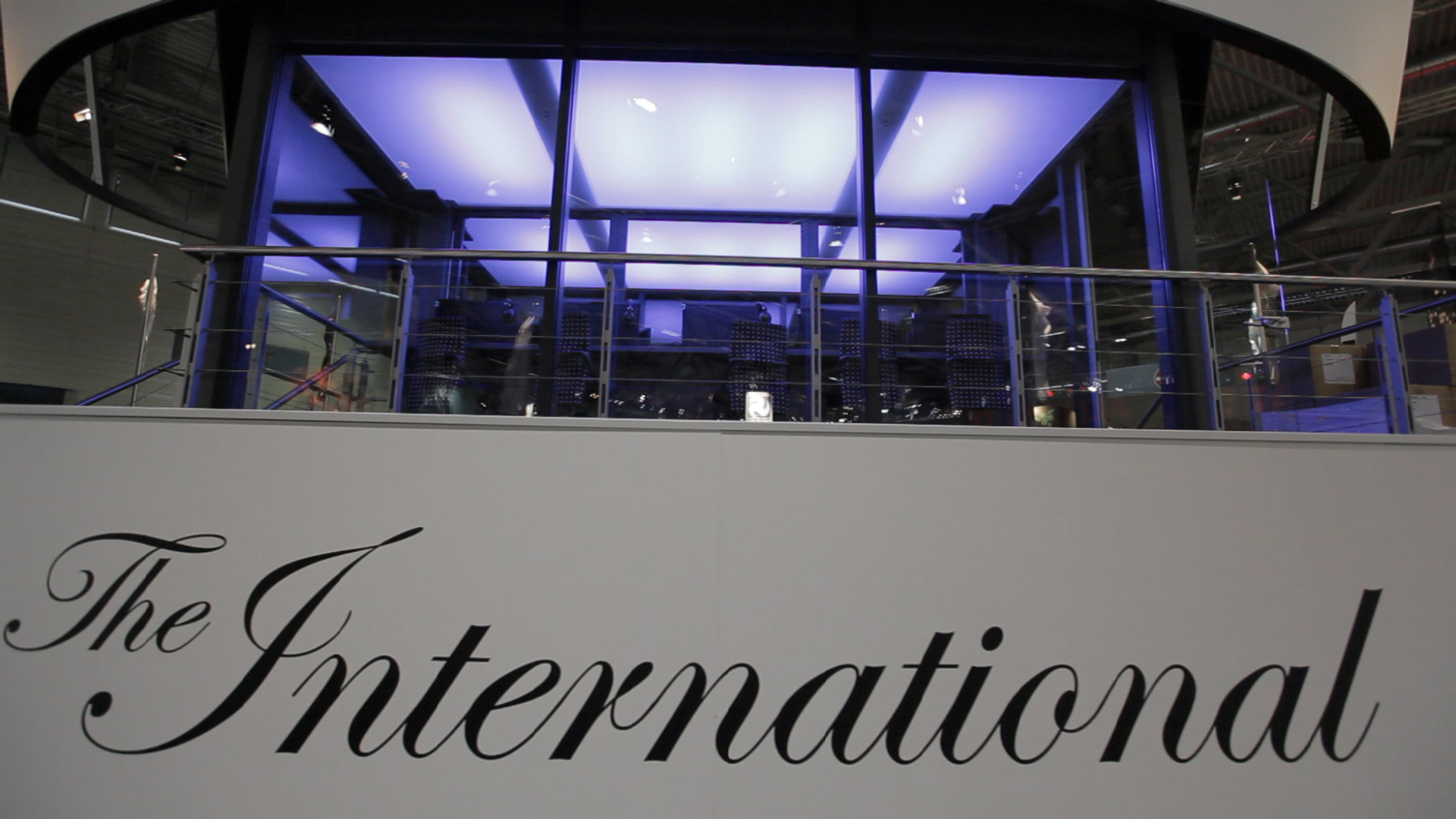
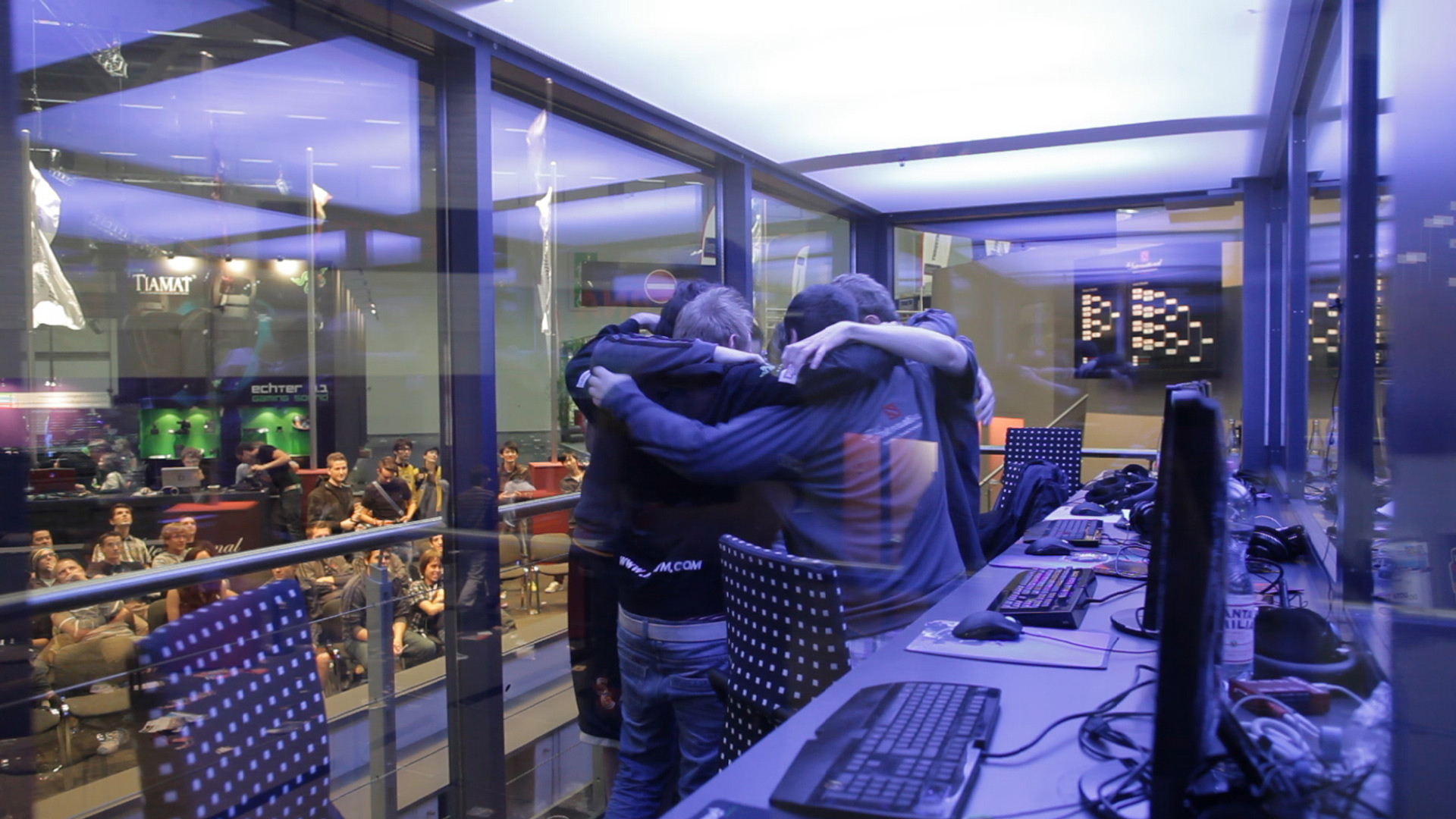
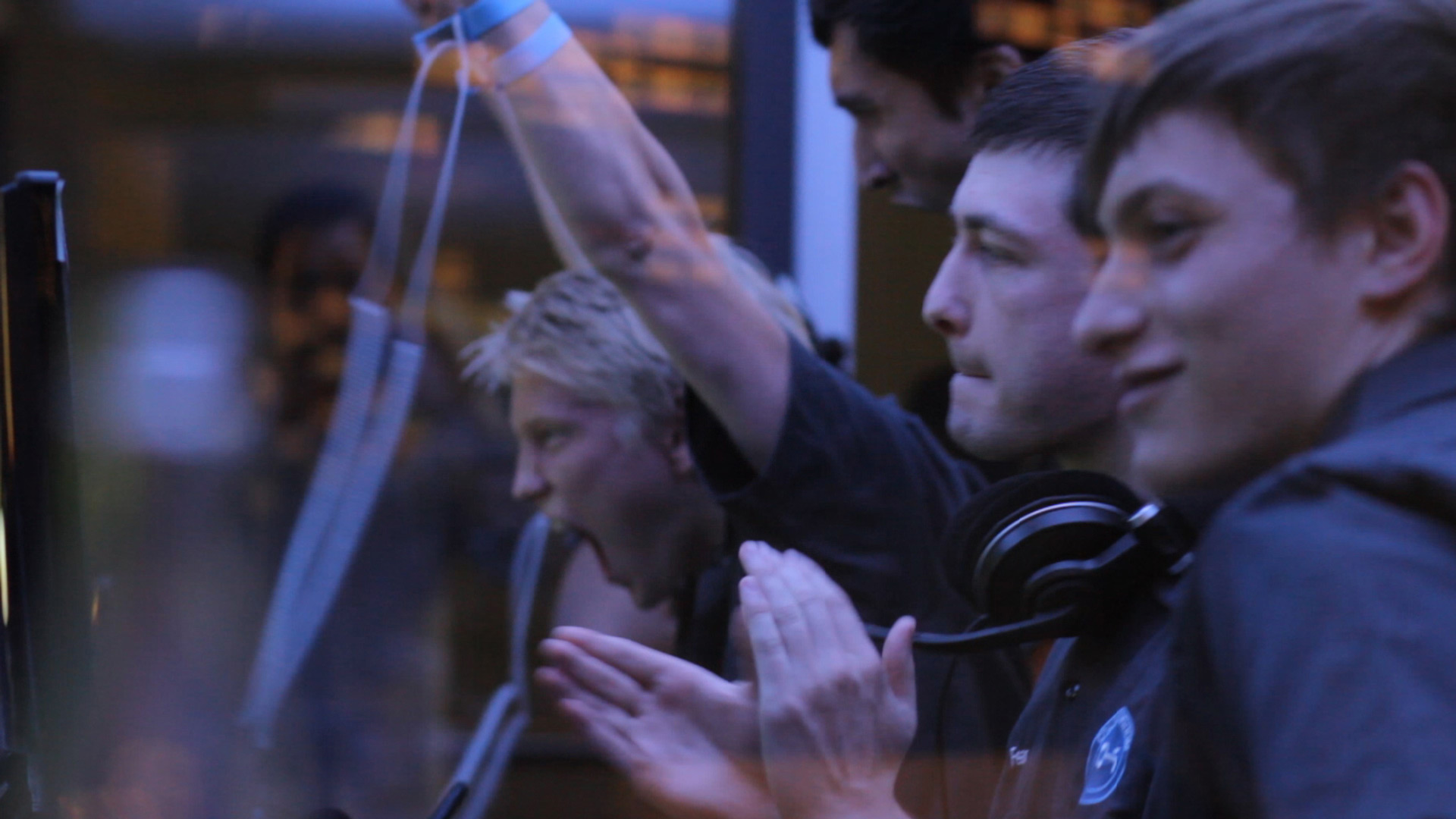
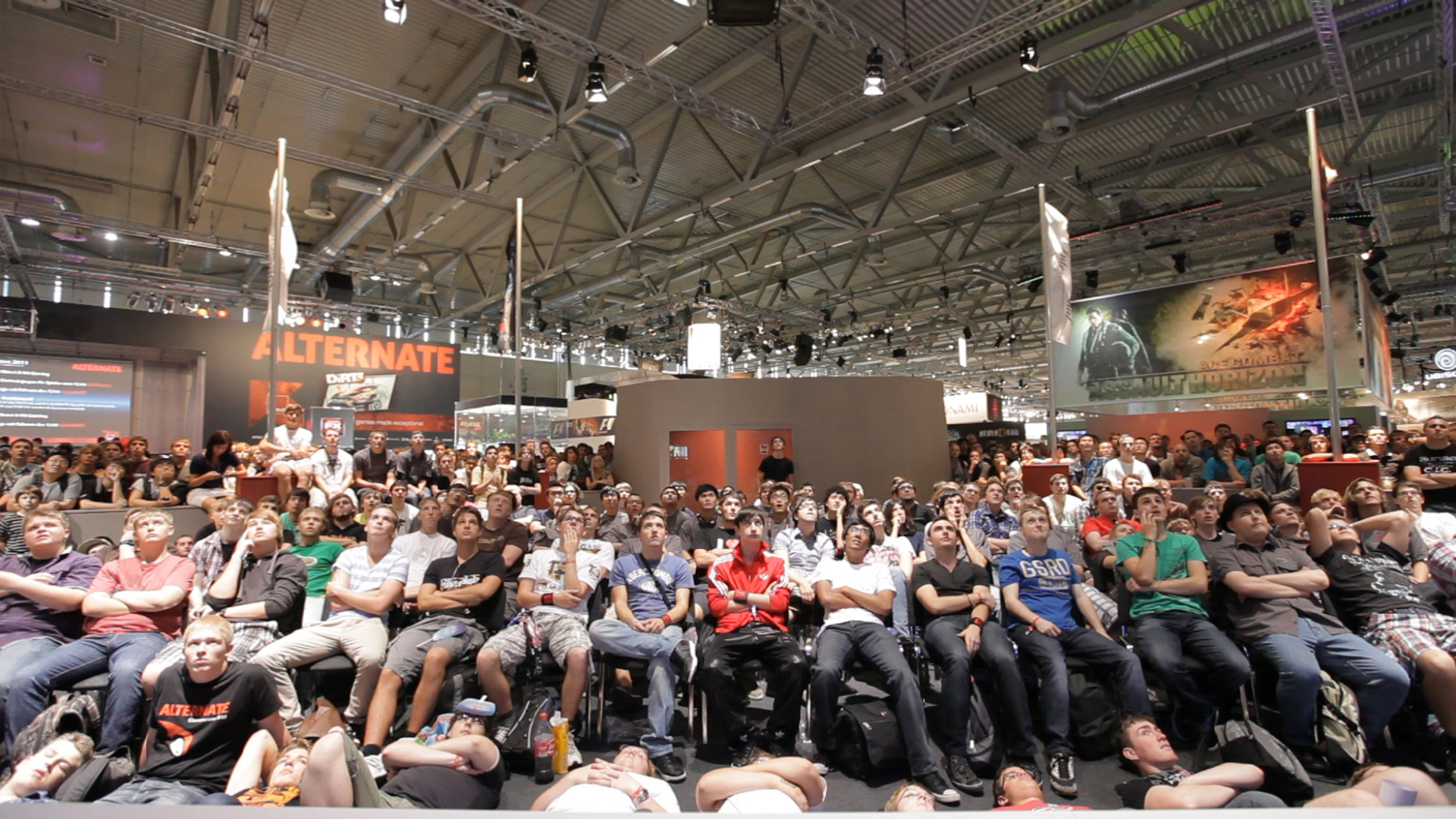
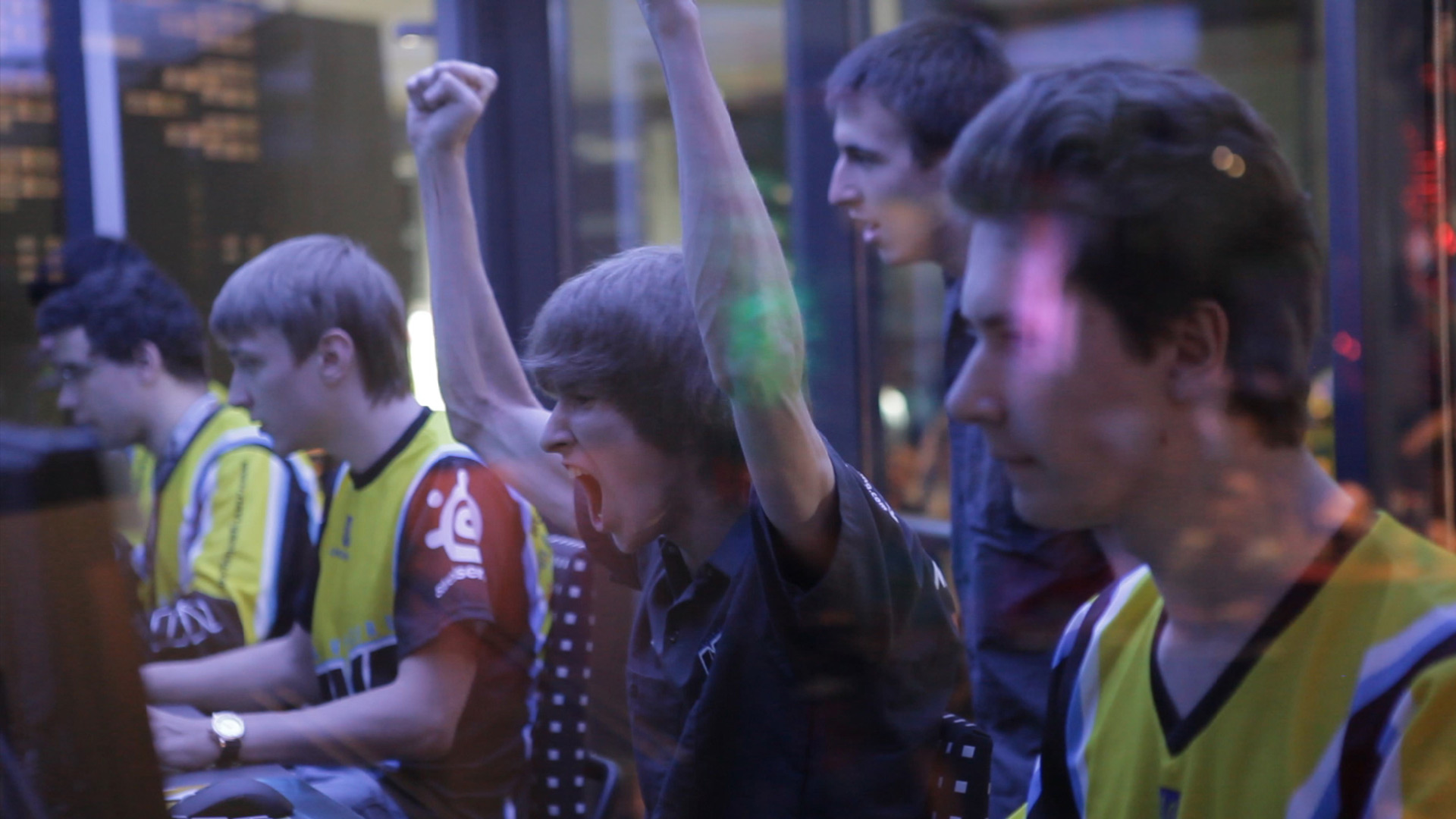
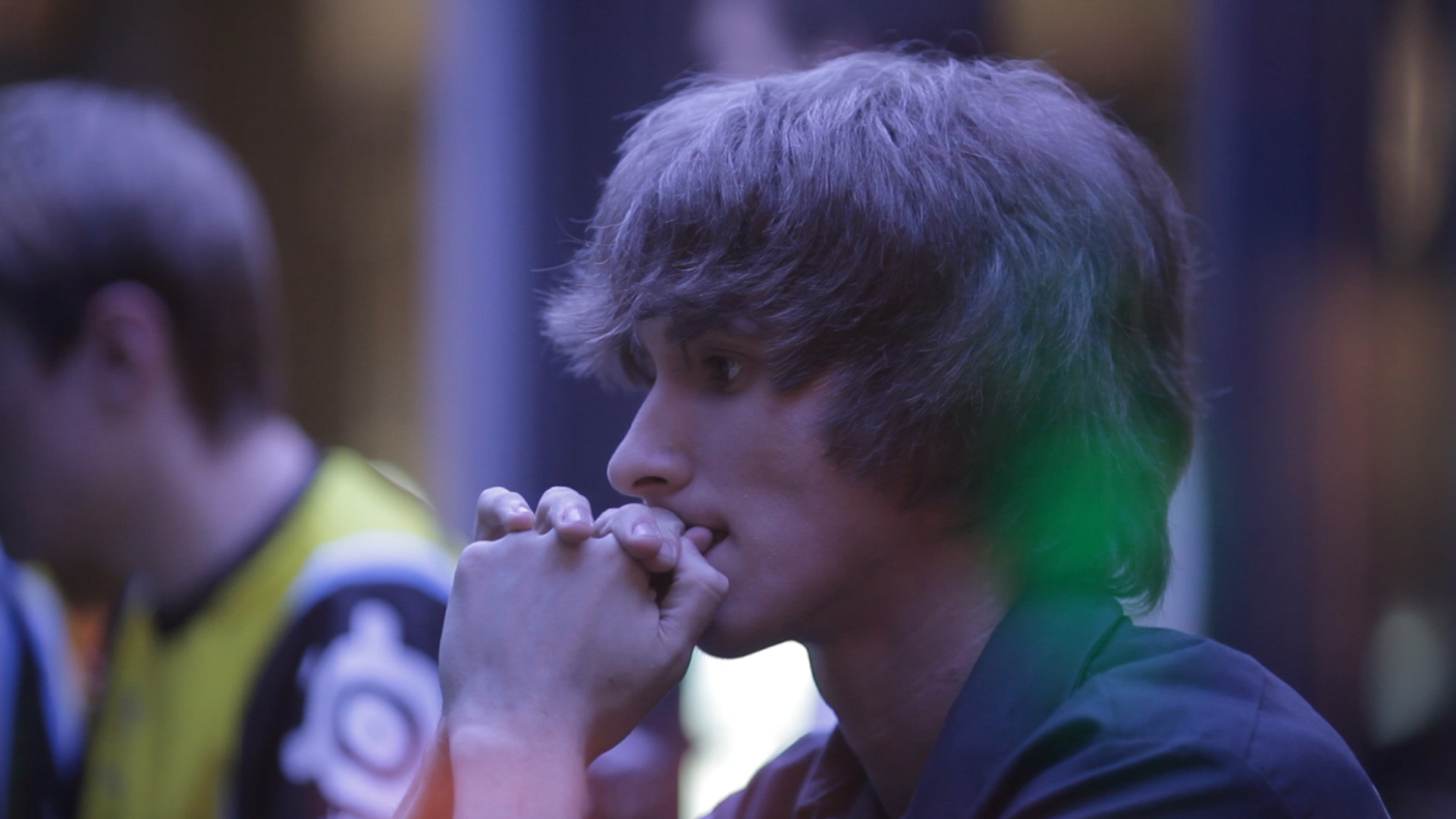
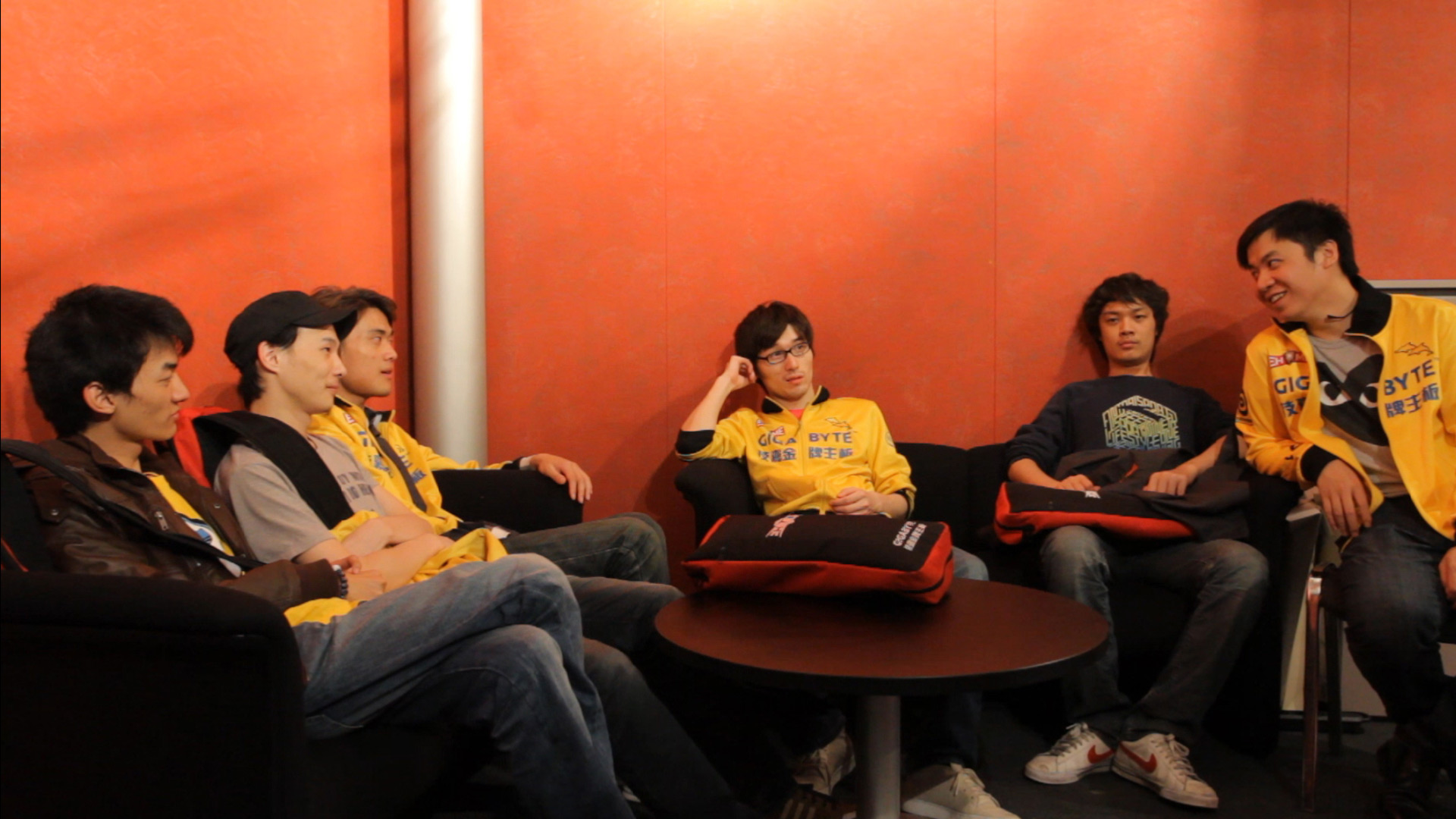
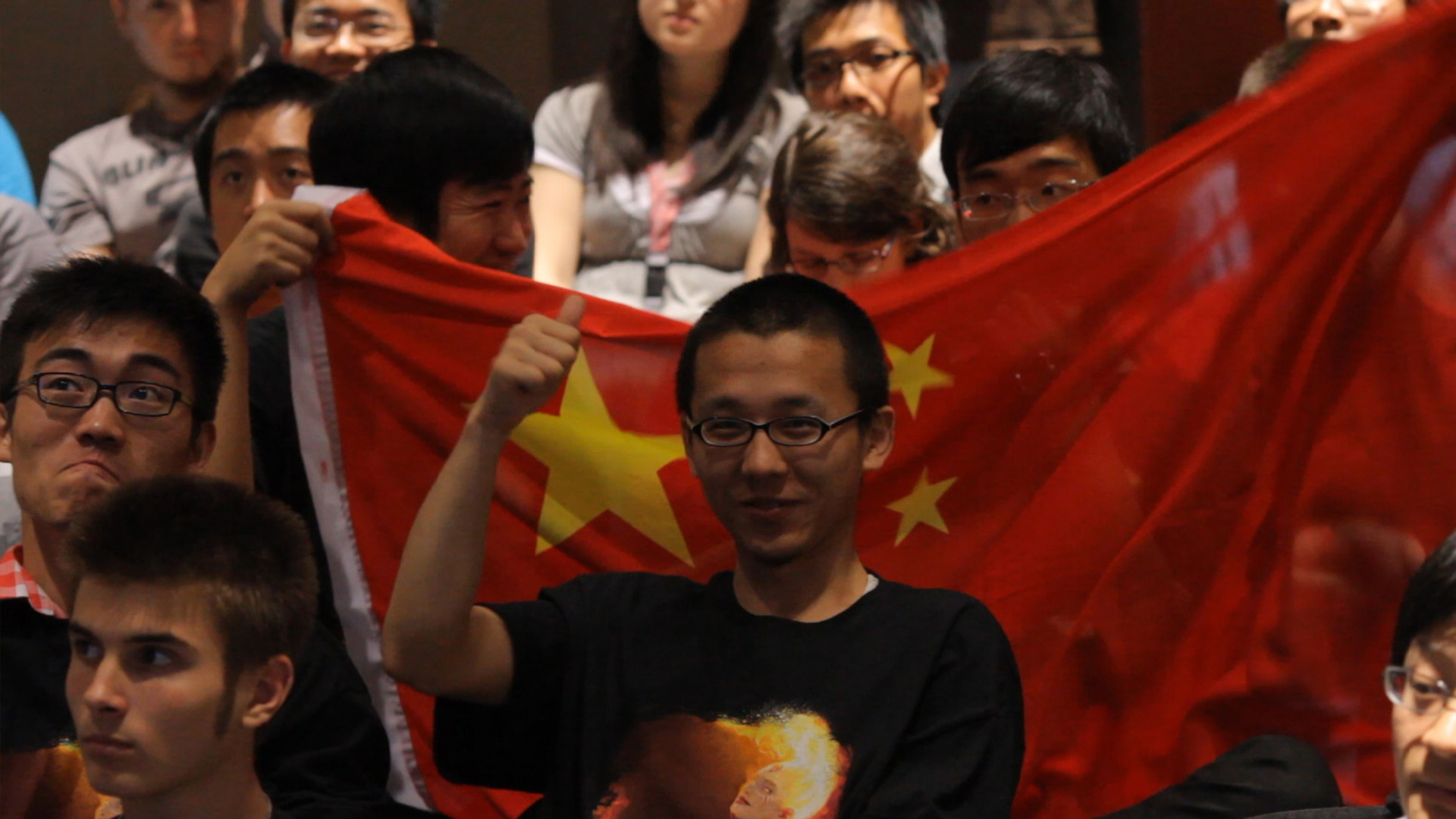
FREE TO PLAY is a feature-length documentary that follows three professional gamers from around the world as they compete for a million dollar prize in the first Dota 2 International Tournament. In recent years, E Sports has surged in popularity to become one of the most widely-practiced forms of competitive sport today. A million dollar tournament changed the landscape of the gaming world and for those elite players at the top of their craft, nothing would ever be the same again. Produced by Valve, the film documents the challenges and sacrifices required of players to compete at the highest level.


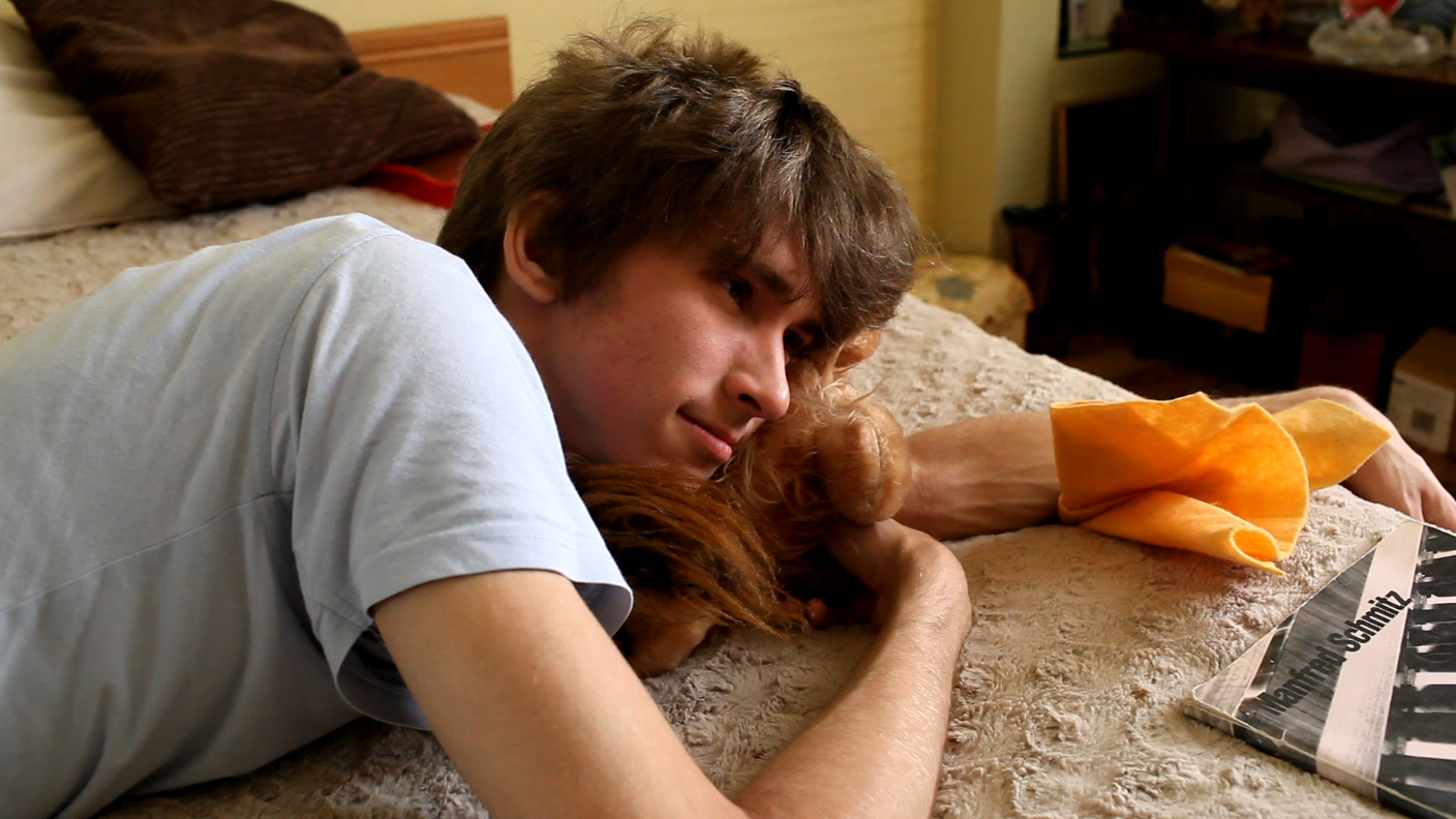
Born in L’viv, Ukraine, Dendi began playing video games at a young age after his older brother received a PC from their grandmother. As he had with his other early interests in life, music and dancing, Dendi picked up games very quickly and was soon excelling far beyond his age bracket. The prodigious dexterity earned through long hours of piano study was soon put to use in local gaming tournaments where he earned a reputation as a dominant and creative competitor. Though he was successful at other games, he knew he found his calling when he stumbled upon Dota.
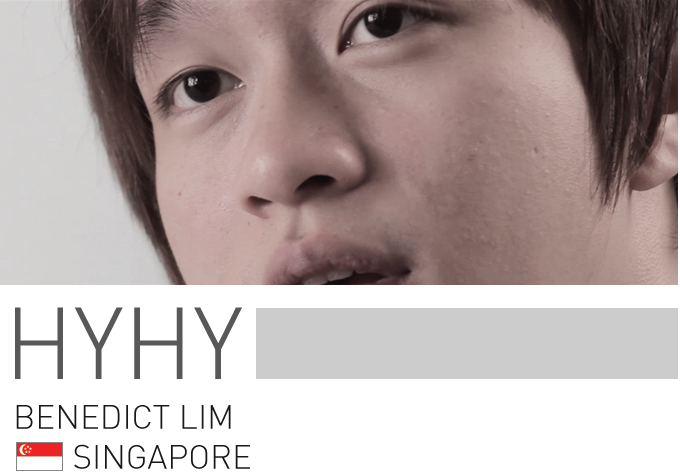
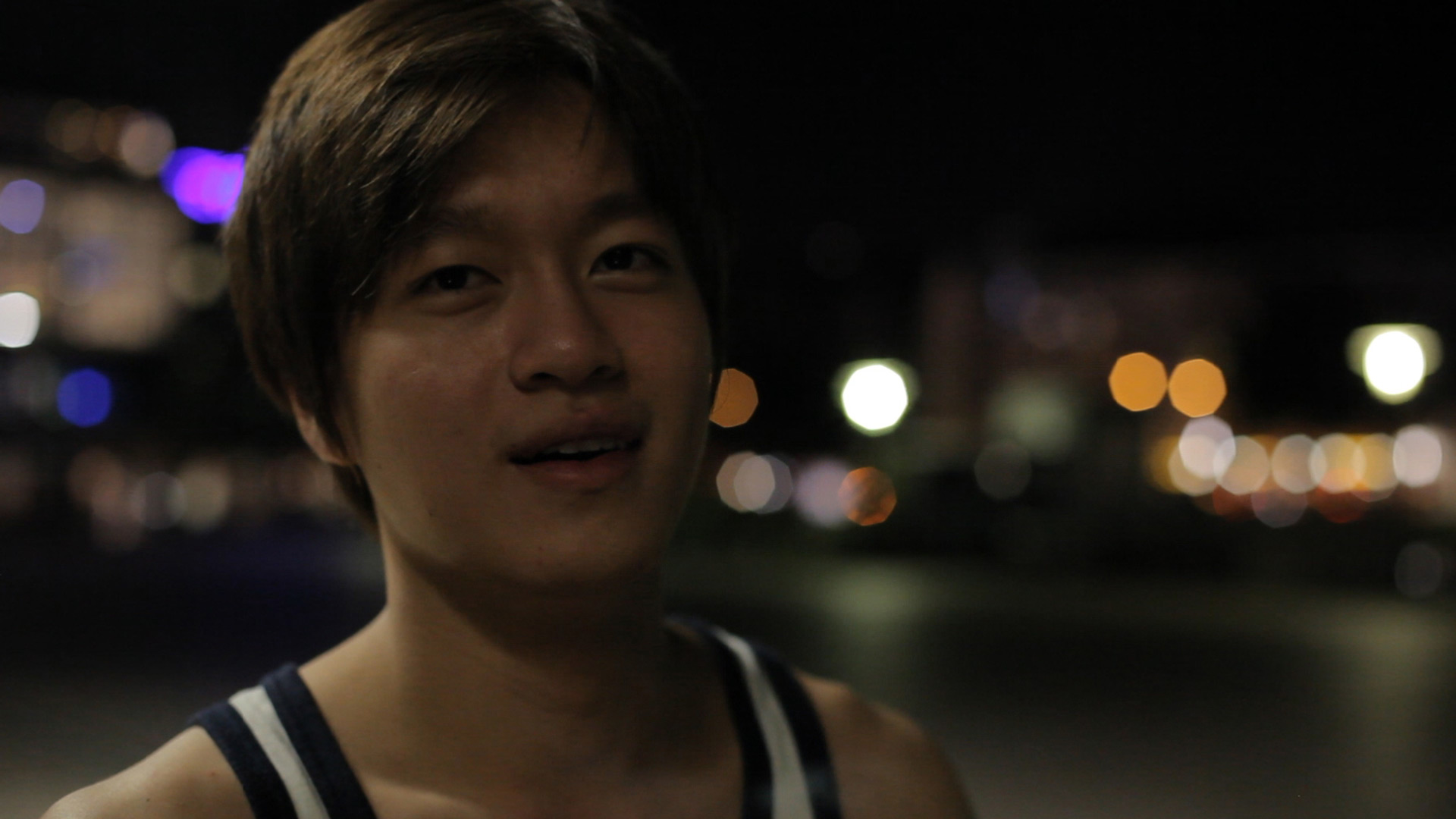
If you’ve followed the development of Singaporean Dota, then Benedict “HyHy” Lim is a name that is familiar to you. Born in Singapore on 1990, HyHy’s rise to prominence began when he and teammates represented Singapore in the 2007 Asian Cyber Games. The following year, he was victorious in the Electronic Sports World Cup. Since then his body of work has become a pillar in the Dota 2 community. Never one to shy away from controversy, HyHy speaks his mind, and has made a name for himself as one of professional gaming’s most driven and versatile players.
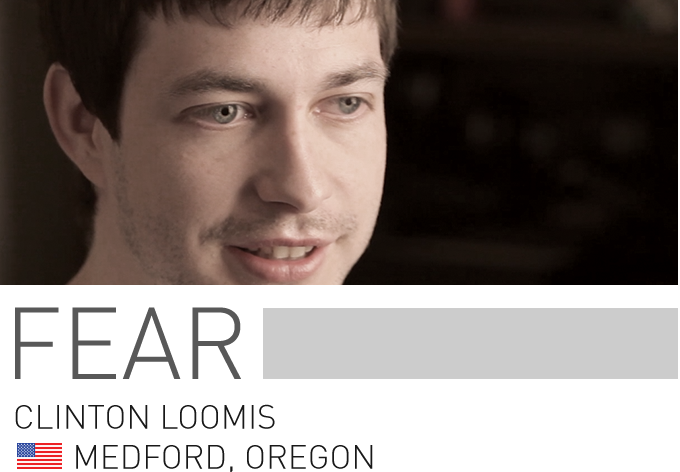
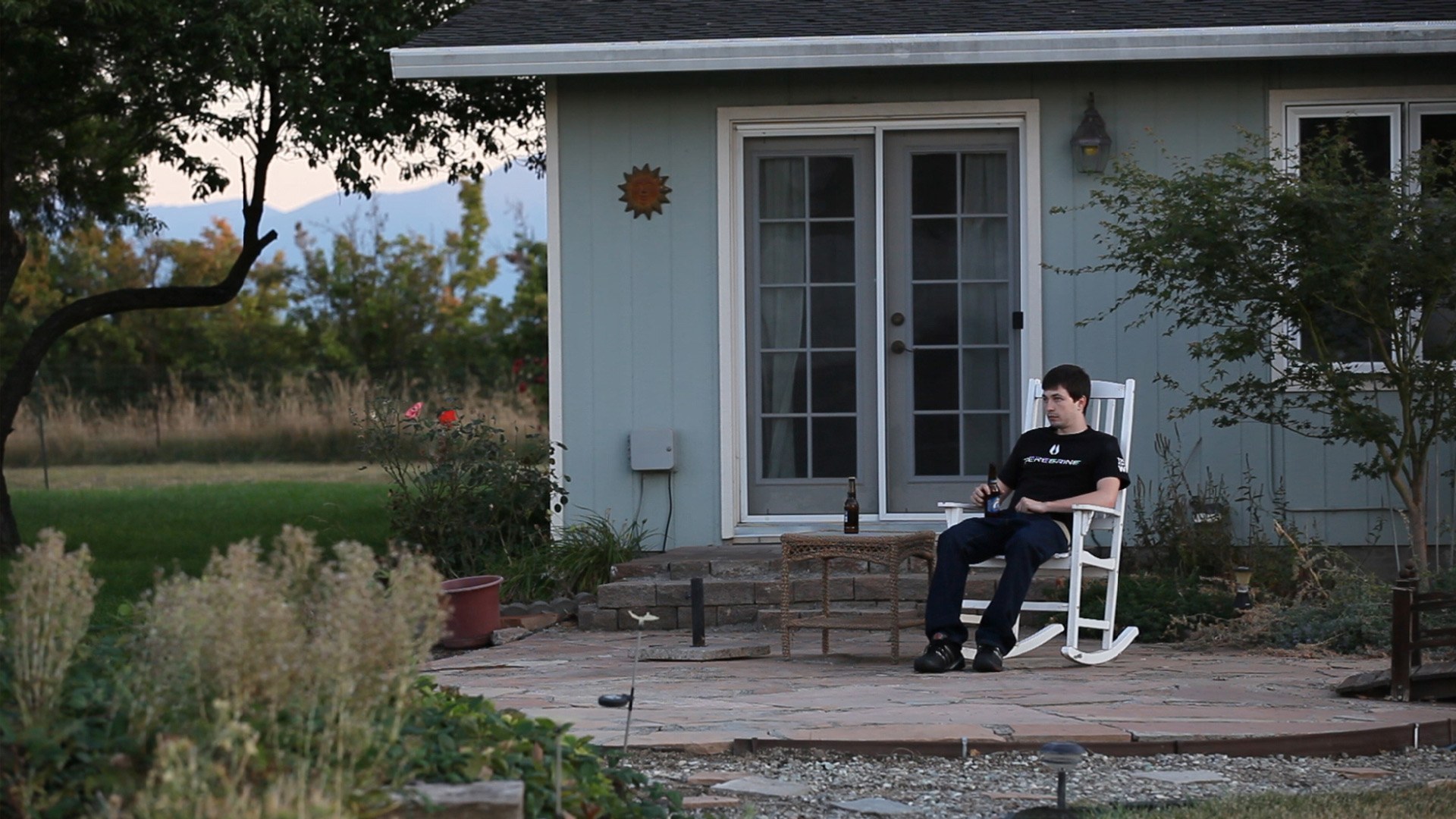
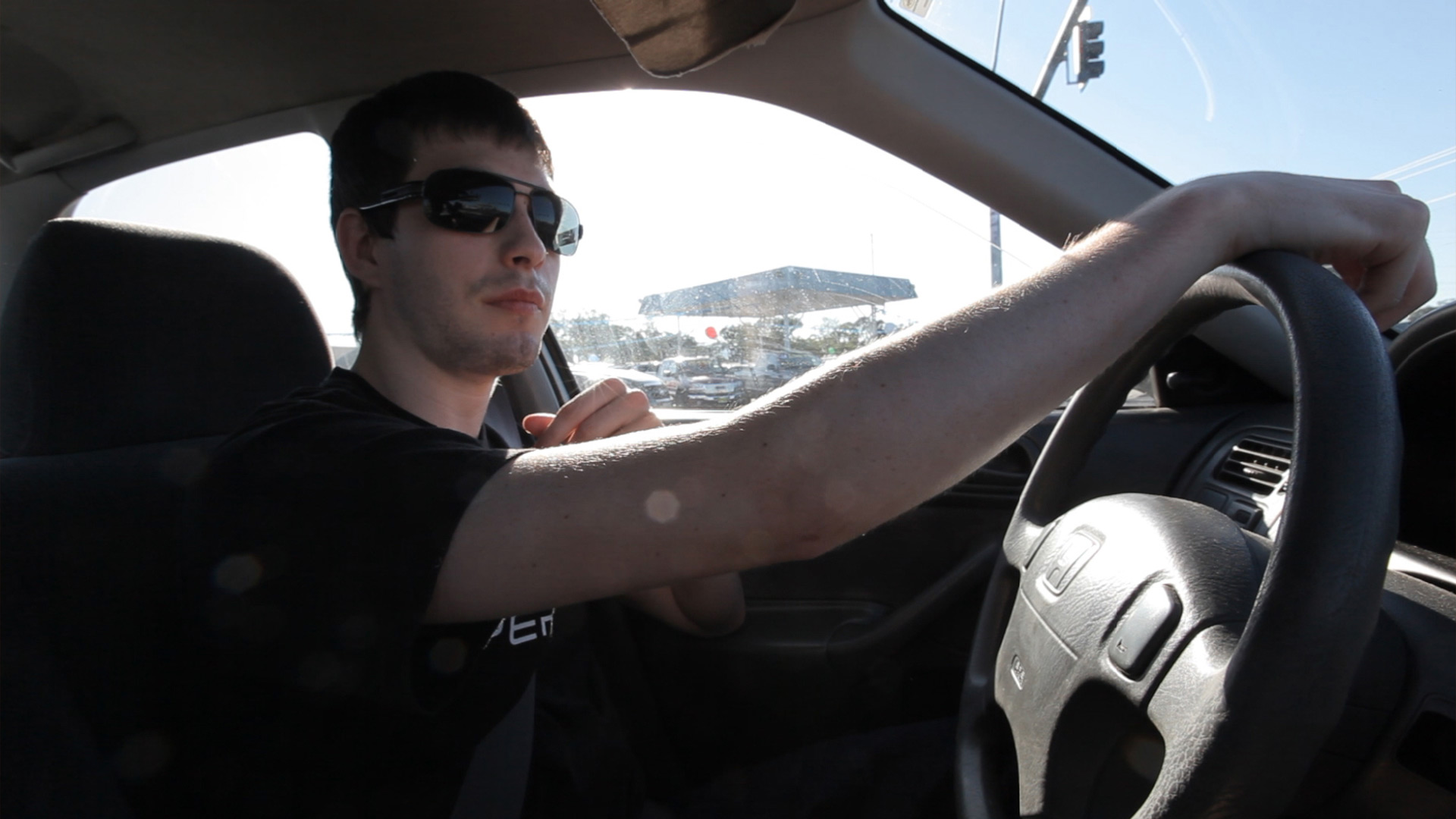
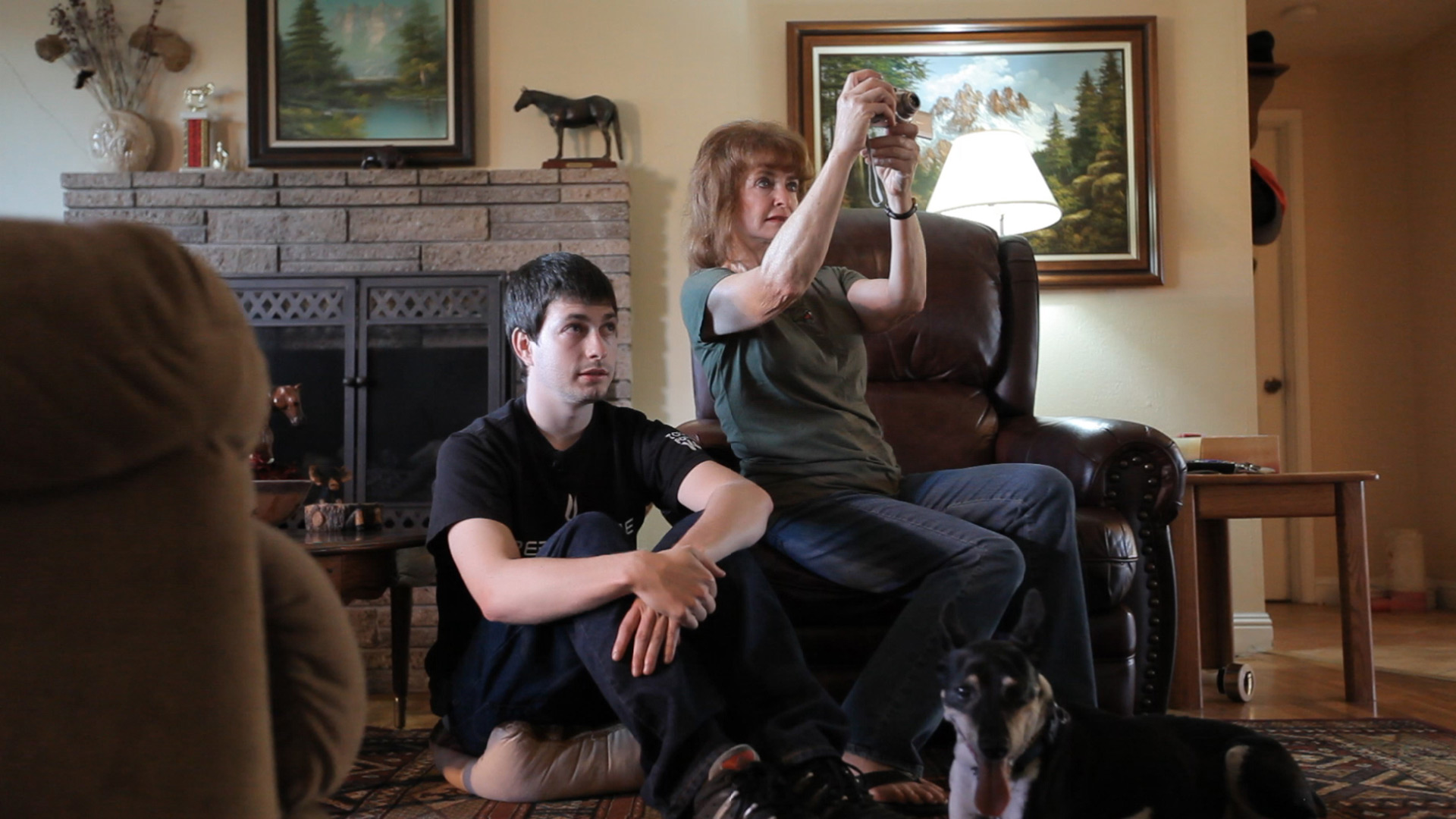
Arguably among the most formidable Dota 2 players to ever come out of the Western Hemisphere, Clinton “Fear” Loomis, has never had an easy path in front of him. Ever the underdog, he’s used a balance of raw skill and hard-earned experience to overcome the isolation that US players often face when they compete at the highest level. Born 1988, his work ethic and dedication have taken him from Medford, Oregon to Europe, to China, and finally to the Dota 2 International, the tournament with the largest prize pool in the history of video games.
We are witnessing the industrialization of maternal cruelty. But why are we obsessed? And at what cost to the real 15-year-olds watching at home? To understand the "repack," we must define the abuse. Classic cinema gave us Mommie Dearest (1981)—wire hangers as weapons. Modern "Mother-Daughter 15" content is far more subtle. It is the mother who competes with her daughter for the attention of older men (e.g., Gypsy , Sharp Objects ). It is the mother who diagnoses her daughter with fake illnesses (Munchausen by proxy, as seen in The Act ). It is the mother who uses her daughter as an emotional spouse (covert incest in Lady Bird , albeit played for pathos).
The line between documentation and entertainment has dissolved. A 15-year-old girl posts a video titled "POV: Your mom just found your diary and is reading it aloud to humiliate you." The comments say, "Mother ate this up" or "This is so me coded." facial abuse the sexxxtons motherdaughter15 repack
In the golden age of streaming, content is king—but trauma is the court jester. Scroll through any major platform (Netflix, Hulu, HBO Max, or TikTok), and you will find a specific, chilling archetype emerging from the algorithm’s shadows: the "Mother-Daughter 15." We are witnessing the industrialization of maternal cruelty
In the "15" dynamic, the daughter is old enough to fight back but too young to escape. Her prefrontal cortex is underdeveloped; her hormones are a riot. The mother knows this. The entertainment industry loves this because it provides a contained arena for conflict—the suburban kitchen, the fitting room, the car ride to therapy. The first trick of the entertainment repack is the filter . Real abuse is mundane, messy, and smells like stale coffee and anxiety. Repackaged abuse is color-graded. To understand the "repack," we must define the abuse
This is not a genre officially recognized by the MPAA. It is a coded term used by screenwriters and critics to describe a niche yet pervasive subgenre of psychological horror and prestige drama. The "15" refers to the age of the daughter—a high school sophomore, caught between childhood innocence and adult cynicism. The "abuse" is rarely physical; it is emotional, enmeshing, narcissistic, and devastating. The "repack" is where Hollywood does its dirtiest work: sanitizing intimate cruelty into "edgy" aesthetics, turning suicide attempts into character development, and rebranding generational curses as "quirky bonding."
This repackaging serves a dangerous purpose: it normalizes volatility. It tells the viewer that a mother gaslighting her teenager is just "complicated love." The second repack mechanic is commodification . In the attention economy, suffering sells. Platforms like Netflix and YouTube have learned that true crime and dysfunctional family dramas generate endless discussion threads, reaction videos, and TikTok edits.