







 The Elder Scrolls IV: Oblivion
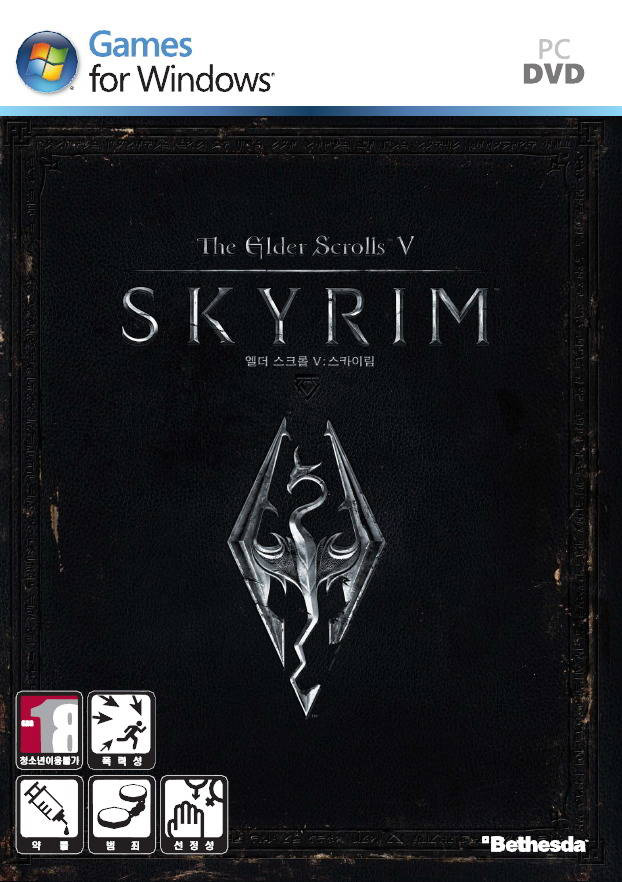 The Elder Scrolls V: Skyrim
 The Elder Scrolls: Online
 Fallout: New Vegas
 Fallout 4
 Fallout 76
 Mount & Blade: Warband
 Mount & Blade II: Bannerlord
 Kenshi
 The Witcher 3: Wild Hunt
 Cyberpunk 2077
 Kingdom Come: Deliverance
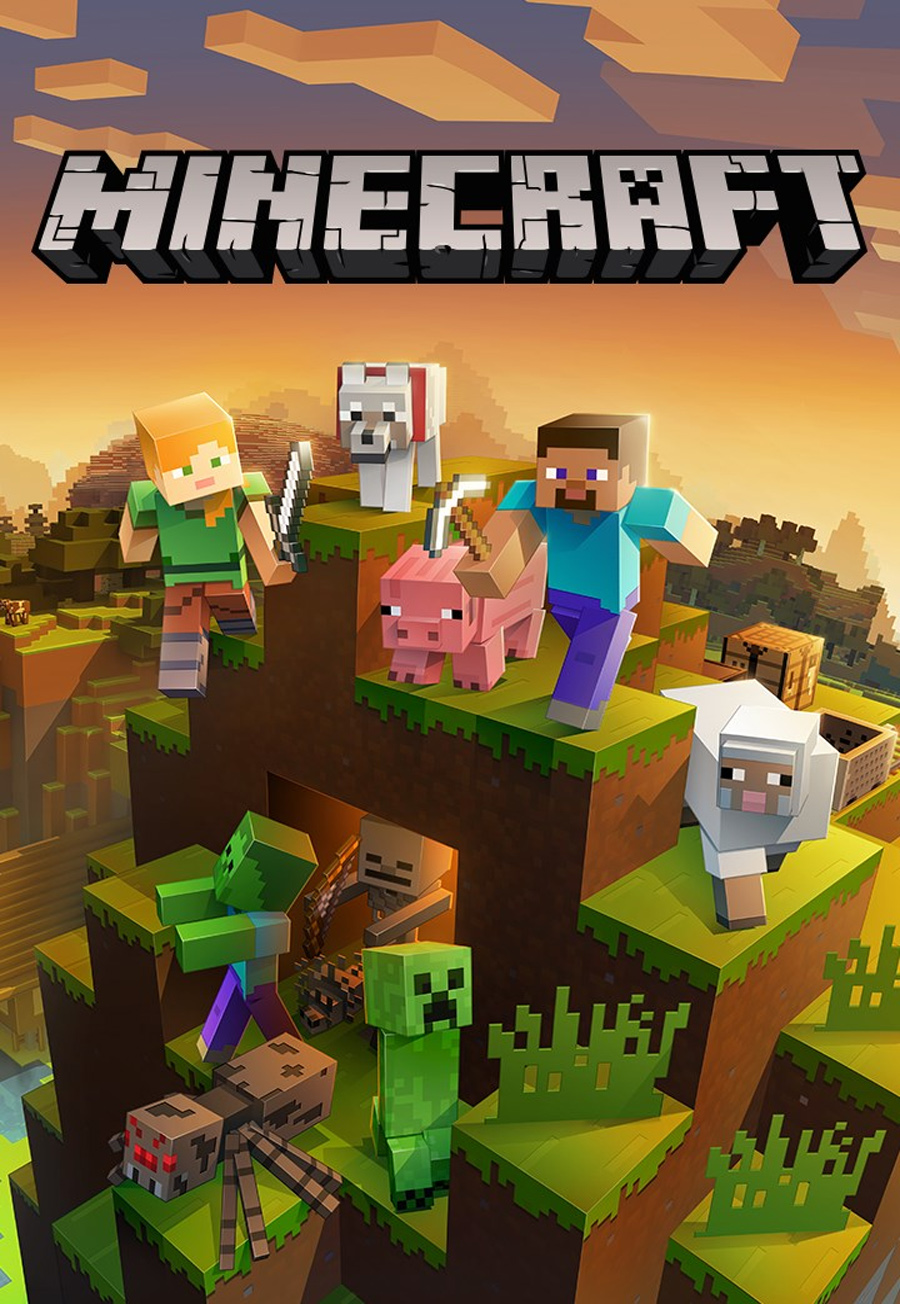 Minecraft
 Crusader Kings 2
 Crusader Kings 3
 Hearts of Iron IV
 Stellaris
 Cities: Skylines
 Cities: Skylines II
 Prison Architect
 RimWorld
 Euro Truck Simulator 2
 American Truck Simulator
 Microsoft Flight Simulator 2020
 Farming Simulator 17
 Farming Simulator 19
 Spintires и Spintires: MudRunner
 BeamNG.drive
 My Summer Car
 My Winter Car
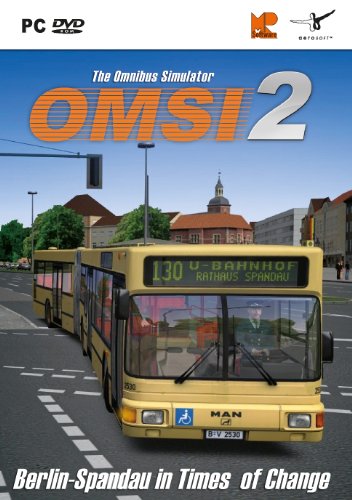 OMSI 2
 Grand Theft Auto: V
 Red Dead Redemption 2
 Mafia 2
 Stormworks: Build and Rescue
 Atomic Heart
 Hogwarts Legacy
Kendra Sunderland, an educator and researcher, has built upon Bhabha's concept of third space, exploring its implications for teaching, learning, and social interactions. Sunderland's work focuses on the ways in which third space can be used to create more inclusive and equitable learning environments. In her recent publication, "Deeper: Kendra Sunderland - Third Space Part 2," Sunderland expands on her previous work, providing a deeper analysis of the concept and its applications.
Before delving into Sunderland's work, it is essential to grasp the concept of third space. The term was first introduced by Homi Bhabha in his book, "The Location of Culture." Bhabha argued that cultural identities are not fixed or essential but are constantly negotiated and performed in different contexts. He proposed the idea of a third space, which exists outside the binary oppositions of the first and second spaces. The first space refers to the dominant or mainstream culture, while the second space represents the marginalized or subaltern culture. The third space, on the other hand, is a fluid and dynamic area where different cultural identities intersect and interact.
In recent years, the term "third space" has gained significant attention in various fields, including education, sociology, and cultural studies. The concept, initially introduced by Homi Bhabha, refers to a space where different cultural identities intersect, interact, and negotiate with one another. This idea has been explored in depth by Kendra Sunderland, a scholar who has made significant contributions to the field of education and cultural studies. In her work, Sunderland builds upon the concept of third space, exploring its implications for teaching, learning, and social interactions. This article aims to provide an in-depth analysis of Sunderland's work on third space, with a focus on her recent publication, "Deeper: Kendra Sunderland - Third Space Part 2."
Kendra Sunderland's work on third space, particularly in her recent publication, "Deeper: Kendra Sunderland - Third Space Part 2," offers a nuanced and insightful analysis of the concept and its applications. By exploring the intersections between cultural identities, power dynamics, and educational settings, Sunderland provides a framework for creating more inclusive and equitable learning environments. As educators and scholars continue to grapple with issues of diversity, equity, and inclusion, Sunderland's work on third space theory serves as a valuable resource, offering practical strategies and theoretical insights for promoting social justice and critical literacy practices.


