Indo New Best | Bokep
For decades, the global entertainment landscape was dominated by a triopoly: Hollywood’s blockbuster spectacle, the hyper-polished machinery of K-Pop, and the vast, sprawling diaspora of Bollywood. However, in the last ten years, a new seismic shift has occurred. Nestled in the heart of Southeast Asia, the world’s fourth most populous nation has found its voice. Indonesian entertainment and popular culture have exploded, not merely as a regional curiosity, but as a formidable force reshaping music, television, film, and digital trends from Jakarta to Johannesburg.
Directors like Joko Anwar have become household names, not just in Indonesia, but in the global horror community. Anwar’s films— Satan’s Slaves (2017), Impetigore (2019), and Vengeance is Mine, All Others Pay Cash —have redefined genre filmmaking. They blend traditional folklore with modern anxieties, creating a visual language that is distinctly Indonesian yet universally terrifying. Netflix and Amazon Prime have aggressively funded this renaissance, recognizing that Indonesian audiences want to see their own faces on screen.
Furthermore, Webtoons (digital comics) have become a massive cultural force. Indonesia produces some of the most-read webcomics globally, covering everything from teenage romance ( Dignified ) to historical epics. These digital comics are now the primary IP farm for the film and TV industry. Indonesian pop culture is never just entertainment; it is a barometer of a struggling, resilient democracy. The Reformasi era (post-1998) allowed for freedom of expression, but censorship still lurks in the shadows (often from self-regulating broadcasters afraid of Islamist backlash). bokep indo new best
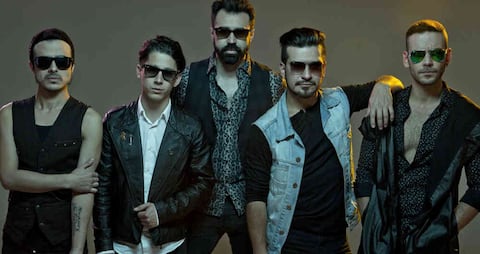
But the most exciting surge is in the indie-alternative scene. Bands like Hindia , Mantra Vutura , and Lomba Sihir are writing hyper-literate, introspective lyrics that break the "love and heartbreak" mold. Hindia’s album Menari Dengan Bayangan was a cultural event, selling out stadiums and spawning dissertations on its poetic critique of Indonesian society. Meanwhile, the Pamungkas phenomenon—where a single artist can simultaneously sell out Jakarta’s biggest stadium and a club in New York—proves that the Indonesian language carries an emotional resonance that transcends translation. No discussion of modern Indonesian pop culture is complete without acknowledging the internet. Jakarta is consistently ranked as the "Twitter Capital of the World" (most active city on the platform). But the current ruler is TikTok.
Indonesia has the second-largest TikTok user base in the world (behind the US). This has birthed a new class of celebrity: the selebgram (Instagram celebrity) and the TikTok dancer. Unlike Western influencers, Indonesian digital stars have a specific, hyper-local humor known as "Alay" (an abbreviation of Anak Layangan or "kite kid," referring to a flashy, borderline tacky style). The dance challenges, the absurdist comedy skits, and the viral POV videos (Point of View) create a feedback loop where a street food vendor in Bandung becomes a meme lord overnight. and chose to dance
However, the youth have pivoted. "Pop Indo" has matured significantly. Artists like Raisa (the "Indonesian Adele"), Isyana Sarasvati (a Juilliard-trained virtuoso), and Tulus (the king of understated cool) dominate streaming charts without screaming for attention.
Furthermore, the rise of WeTV and Viu (Asian streaming services) has allowed Indonesian producers to adapt popular Wattpad novels and webtoons directly for the screen. This pipeline—from user-generated fiction to mainstream TV—is creating an incredibly agile content ecosystem that reacts to fan feedback in real time. Musically, Indonesia is a chaotic wonderland. While Western charts are dominated by hip-hop, Indonesia’s king remains Dangdut . This genre—a hypnotic fusion of Hindustani, Arabic, and Malay folk music with electric guitars and a thumping tabla drum—is the actual soundtrack of the working class. Artists like Via Vallen and Nella Kharisma turned Dangdut into a social media phenomenon, with their live performances generating hundreds of millions of views on YouTube. and deeply human art form.
Nevertheless, the momentum is undeniable. Indonesian entertainment is no longer just the "local content" you scroll past on a streaming menu. It is a vibrant, messy, passionate, and deeply human art form. It tells the story of a nation that survived colonialism, dictatorship, and disaster, and chose to dance, laugh, and scream through it all. The rest of the world is finally turning up the volume.